How Can You Reduce Shipping Costs for Soft Pack Facial Tissues?
Tissue exporters often lose margin because they underestimate how much freight eats into their unit costs.
The best way to reduce shipping costs for soft pack facial tissues is to optimize carton size[^1], compress packaging, and maximize container space with flat, compact designs. This increases load efficiency and lowers per-unit freight.
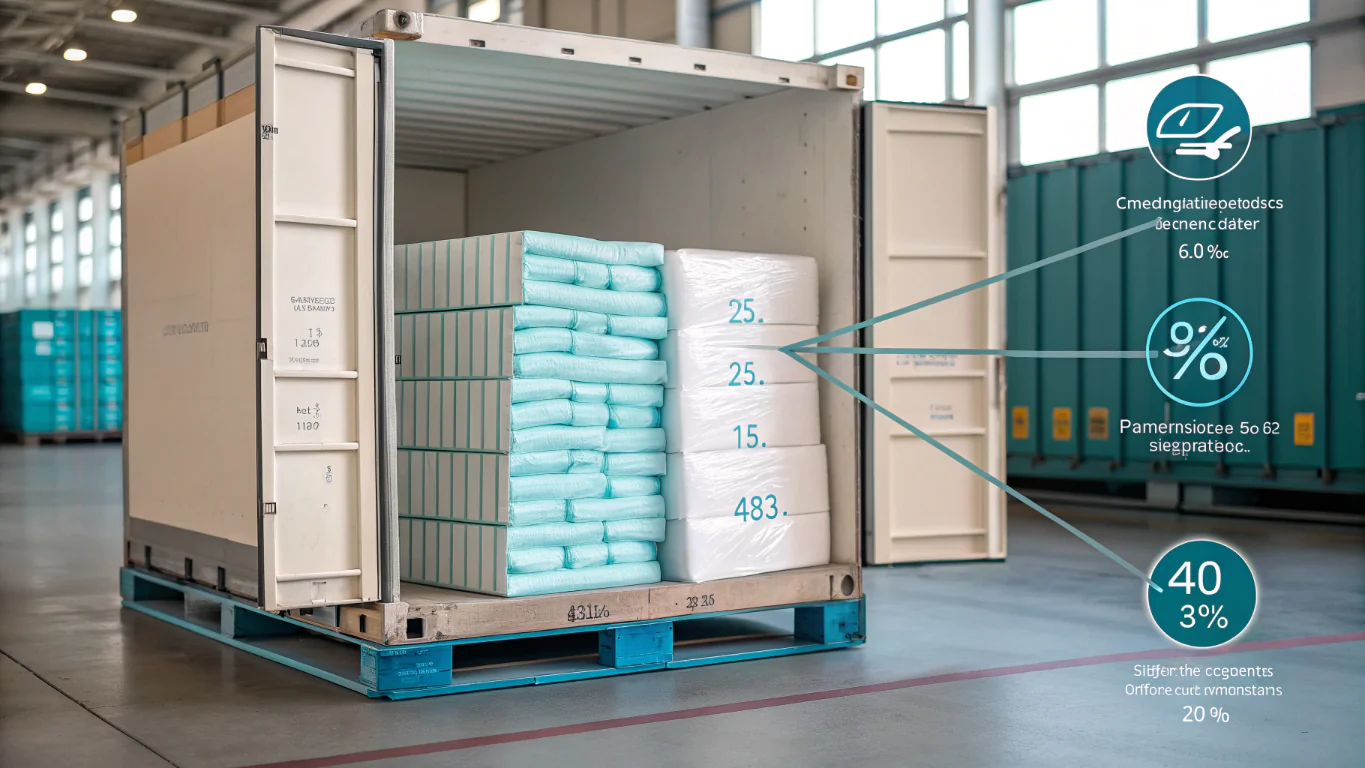
When I talk to international buyers or freight forwarders, they always ask the same thing: how do we fit more tissue into the same container? The answer lies in smart packing, not just lower rates.
What Are the Most Effective Ways to Lower Freight for Soft Pack Tissue?
High freight charges often come from wasted air inside packaging.
You can lower freight costs[^2] by minimizing pack height[^3], reducing dead space inside cartons, and increasing container utilization[^4] with efficient stacking.
Dive deeper
I’ve helped multiple clients save 10–15% on their landed cost[^5] by reworking how tissues are packed. Most brands use oversized packs because they want shelf appeal. But for export, every extra centimeter adds up in container volume. With soft packs, you have the advantage of compressibility — we can flatten the packs slightly without harming the tissue quality.
Key strategies include:
| Method | Why It Helps |
|---|---|
| Vacuum-sealed soft packs | Reduce pack height[^3] and eliminate trapped air |
| Stackable carton layout | Allows 5–10% more cartons per container |
| Reduced outer box thickness | Uses lighter materials for non-retail cartons |
| Eliminate tray inserts | Removes unnecessary packaging layers |
| Bulk carton packing | Batches multiple packs into fewer shipping units |
When we ship to Saudi Arabia or UAE, we always offer two options: showroom-style retail packs or export-optimized bulk packs. The second option almost always reduces shipping cost per pack. Buyers who take the time to optimize save thousands per container.
How Does Carton Design Impact Tissue Shipping Costs?
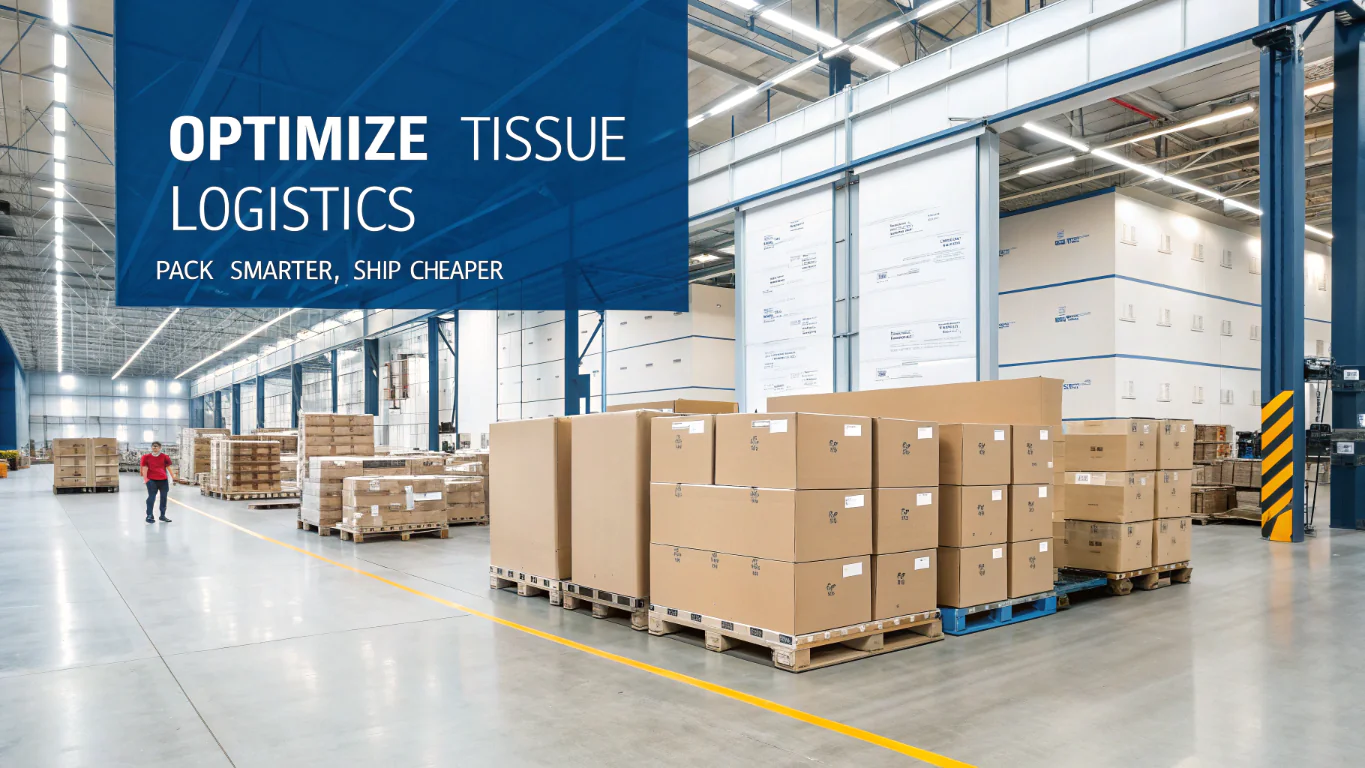
It’s not just about what’s inside — it’s how you pack and stack it.
Using the right carton size[^1], orientation, and flap design can improve space usage by 8–12%, lowering overall freight cost per unit.
Dive deeper
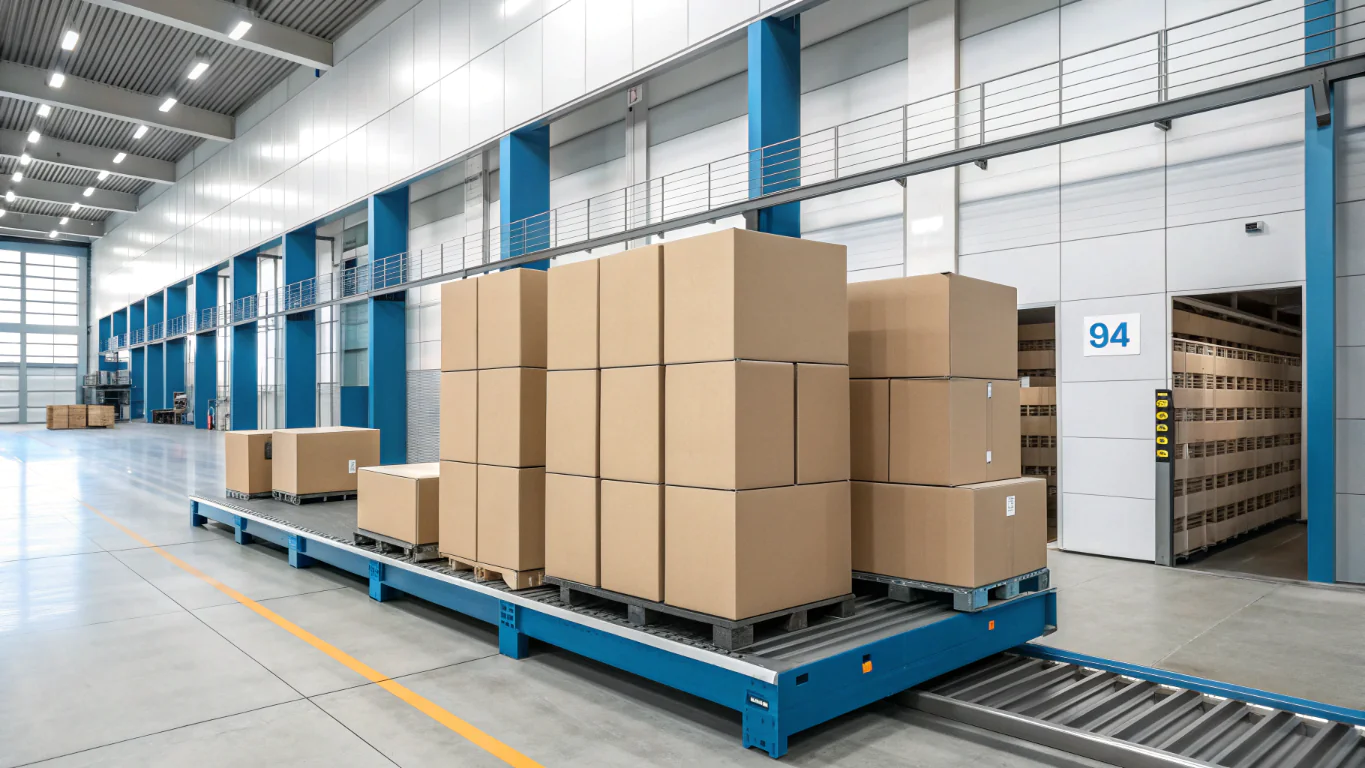
Most exporters use standard cartons. But in logistics, “standard” often means “wasted space.” I always encourage buyers to let us adjust the master carton size[^1] to fit their exact container type — 20ft, 40ft, or HQ. We even simulate container loads to find the best dimensions.
Here are some elements we optimize:
| Carton Element | Optimization Strategy |
|---|---|
| Length × Width × Height | Adjust to container height and pallet layer depth |
| Flap positioning | Reduce overlaps that create bumps |
| Vertical stacking method | Choose “bookshelf” or “stand-up” based on tissue type |
| Layer count per container | Maximize up to 8–10 layers with reinforced cartons |
| Box closure style | Switch to glue seal to remove tape bulk |
We once reworked a 110-sheet, 3-ply soft pack to fit 48 packs per carton instead of 36 — simply by adjusting the fold style and removing decorative wrap layers. It shipped better, stacked tighter, and saved 9% on freight. These numbers make a real difference when you’re moving 3–5 containers per month.
Can Bulk Shipping Reduce Tissue Export Expenses?
Shipping frequently in small volumes increases cost without improving speed.
Bulk shipping — via full container loads (FCL) or consolidated freight — lowers cost per unit by spreading logistics charges across more products.
Dive deeper
Small orders feel safe, but they cost more. I often see buyers split shipments because they don’t want to overcommit. But this can double handling fees, fuel costs, and destination charges. For soft pack tissues — which are low-cost but space-consuming — this can destroy your profit margin.
Here’s how to reduce cost using volume strategy:
| Shipping Option | Description | Benefit |
|---|---|---|
| Full Container Load | Ship one 20ft or 40ft container directly | Lowest per-unit cost, fewer handovers |
| Consolidated Freight | Share container with other buyers | Ideal for 5–10 CBM shipments |
| Flexible palletization | Stack for max fill and custom height | Less wasted vertical space |
| Long-term booking | Secure lower seasonal rates with fixed partners | Avoid price spikes during holidays |
We advise clients to plan quarterly shipments. This lets them order 1–3 containers in advance, saving on both manufacturing and shipping. For new buyers, we help by grouping tissue and wipes or mixing soft and boxed tissue to fill volume without risk. Planning is everything in freight savings.
What Role Do Freight Partners and Incoterms[^6] Play?
Sometimes it’s not the product — it’s the paperwork and freight terms that cost more.
Choosing the right Incoterm (like FOB vs. CIF) and working with experienced freight forwarders helps avoid hidden costs and delays.

Dive deeper
I’ve seen buyers accept CIF quotes without understanding what’s included. Later, they pay extra for destination fees, customs handling[^7], and delivery. That’s why I recommend starting with FOB and letting your own logistics partner handle the rest.
Key things to review:
| Factor | What to Ask or Negotiate |
|---|---|
| Incoterm | Are you better off with FOB, EXW, or CIF? |
| Container booking fees | Can you get better rates via your own agent? |
| Origin port choice | Is there a cheaper port nearby (Tianjin vs. Ningbo)? |
| Insurance coverage | Who pays if goods are damaged? |
| Freight partner’s volume | Can they group your cargo with others? |
We offer FOB Tianjin or Qingdao as default, but we also support EXW for clients who want to handle everything. The key is transparency. Know what you're paying for and where you can save. Some clients save $800–$1,200 per container by switching from CIF to FOB with their own agent.
Conclusion
Shipping cost is one of the biggest hidden expenses in tissue export. By compressing packs, optimizing cartons, shipping in volume, and choosing the right freight terms, you can protect your margins and stay competitive.
[^1]: Optimizing carton size can lead to substantial savings in shipping costs.
[^2]: Understanding effective strategies can help you save significantly on shipping expenses.
[^3]: Minimizing pack height can reduce shipping costs and improve load efficiency.
[^4]: Maximizing container utilization is key to lowering per-unit freight costs.
[^5]: Lowering landed costs is crucial for maintaining competitive pricing.
[^6]: Understanding Incoterms can help you negotiate better shipping deals.
[^7]: Understanding customs handling can help you avoid unexpected fees.
Share this article
About the Author

You might also like

Why Are Bamboo Fibre Tissue Manufacturers with Low MOQs Better Suited for Small and Medium-Sized Wholesalers?

Why Is Demand for Bamboo Fibre Toilet Paper Growing Rapidly in the US Market?

How to Determine Whether a Bamboo Fibre Tissue Manufacturer Possesses Long-Term Supply Capability?

Why Are Soft Pack Facial Tissues Gaining Popularity in Hotels and Restaurants?

How Can Customized Soft Pack Facial Tissues Boost Your Brand’s Image?

What Are the Key Benefits of Using Soft Pack Facial Tissues Over Traditional Boxed Tissues?

Is There a Market Demand for Eco-Friendly Soft Pack Facial Tissues in the Middle East?

What Should Wholesalers Look for in a Reliable Soft Pack Facial Tissue Manufacturer?

Can Soft Pack Facial Tissues Be Customized for Religious and Holiday Events?