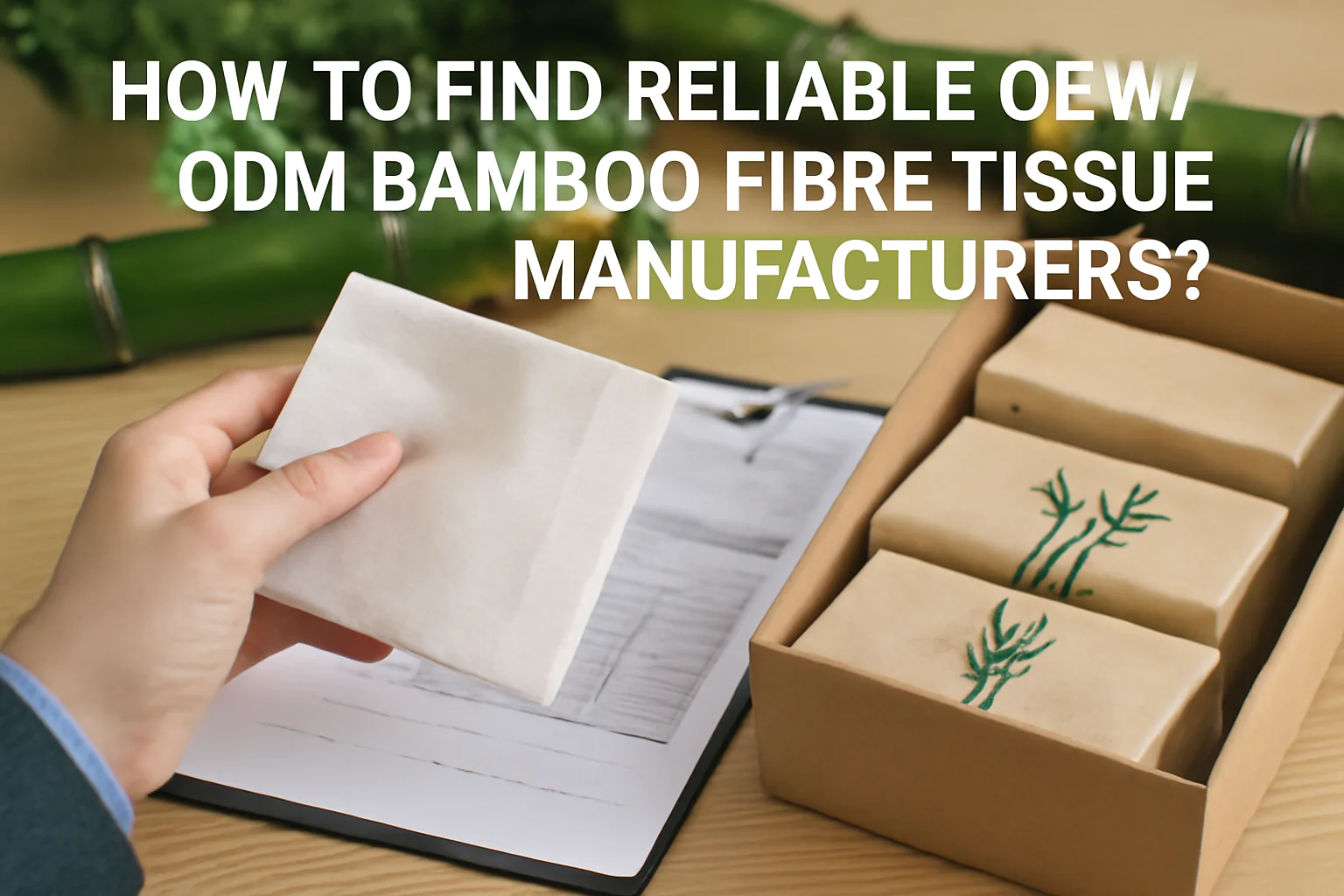
How to Find Reliable OEM/ODM Bamboo Fibre Tissue Manufacturers?
Finding a supplier sounds simple. But if you’re looking for a long-term OEM/ODM bamboo tissue partner, one mistake can cost you months of wasted production, delays, and lost trust.
To find a reliable OEM/ODM bamboo tissue manufacturer, you should define your needs clearly, ask for proof of certifications, request samples, and verify factory capacity before placing a bulk order.

Many wholesalers just pick the cheapest factory on Alibaba and hope it works out. That’s not a strategy. Let me show you how I make sure the supplier I choose won't disappoint my clients—or me.
How do I find a reliable OEM manufacturer?
Every new sourcing project feels risky. You’re unsure if the supplier will deliver the right quality. You're under pressure to avoid delays. That pressure makes decisions harder.
A reliable OEM manufacturer will be able to show certifications, offer production samples, explain their lead times clearly, and provide trade references from real clients.
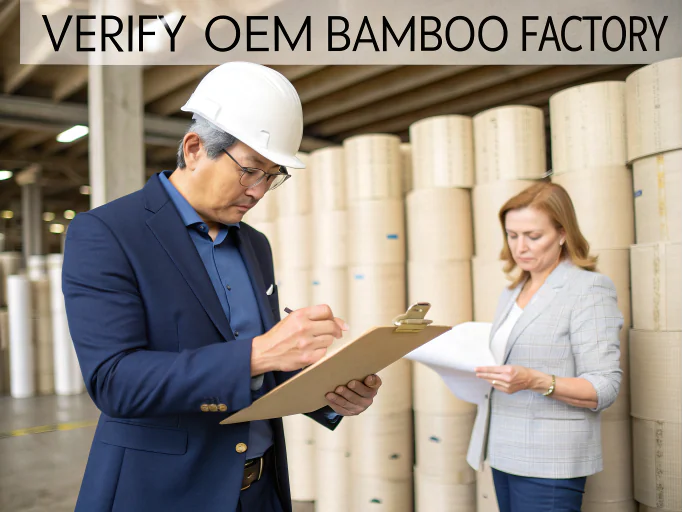
Let's break this down:
| What to Check | Why It Matters | How to Verify |
|---|---|---|
| Business License | Confirms legal status | Request scan or license number |
| Trade Experience | Reduces risk of miscommunication | Ask for export country list |
| Communication Skills | Speeds up sampling and production | Test via email or WhatsApp |
| Response Time | Shows if they value your business | Check how fast they reply |
| References | Proves they’ve done it before | Ask for contacts or reviews |
When I sourced my first custom bamboo facial tissue, I found a supplier who looked great online. But after a week of silence and late replies, I dropped them. Communication is part of quality.
What is the difference between OEM and ODM in tissue manufacturing?
Buyers often confuse OEM and ODM. I did too. It matters more than you think, especially when you're planning packaging, compliance, and shipment cycles.
OEM means the supplier makes the product according to your specs. ODM means they offer a ready-made product with your brand printed on it.
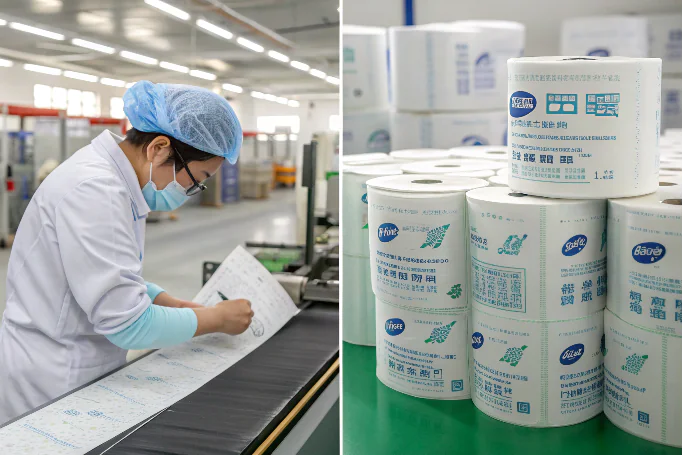
Which should you choose?
| Model | You Provide | Factory Provides | When to Use |
|---|---|---|---|
| OEM | Formula, specs, design | Raw materials, labor | You have a unique brand or standard |
| ODM | Brand name only | Product + design | You want fast production |
I use OEM when my client wants napkins in a specific ply, fold, or packaging layout. ODM works best for promotional items, or if I need a quick restock with my label.
Which certifications should bamboo tissue manufacturers have?
It’s tempting to focus on price. But I’ve learned that certifications are more important. They’re the only way to guarantee the paper is safe, legal, and eco-compliant.
Good bamboo tissue factories will have FSC, ISO, and sometimes SGS or FDA certifications, depending on your region's compliance requirements.
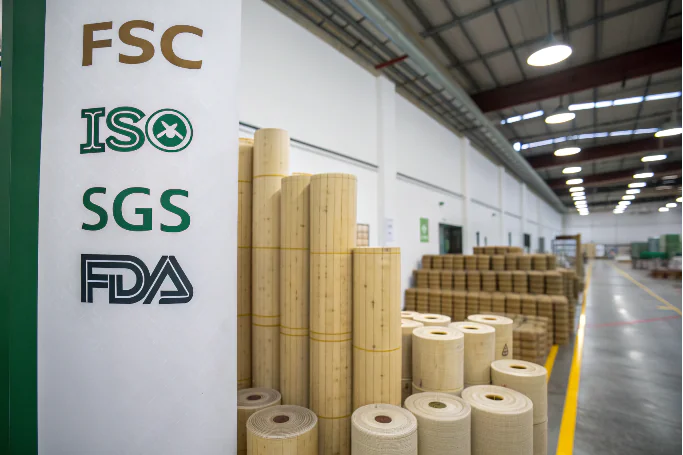
Look for these certifications:
| Certification | What It Proves | Why It Matters |
|---|---|---|
| FSC | Bamboo pulp is sustainably sourced | Needed for eco-conscious buyers |
| ISO 9001 | Quality Management | Lowers risk of defects |
| ISO 14001 | Environmental Standards | Supports green branding |
| SGS | Product tested for safety | Required by large retailers |
| FDA | Safe for skin contact | Needed for hygiene and wipes |
I once had a client in Dubai lose a shipment because the supplier couldn’t show EU standard documents. Now I check this before I even ask for a quote.
How to verify quality of bamboo toilet paper before bulk order?
Even a factory with nice photos can deliver poor quality. I've had soft tissues arrive rough as sandpaper. Verifying quality before ordering is not optional.
You must ask for pre-production samples, test them yourself, and compare their softness, ply, sheet count, packaging quality, and labeling accuracy.
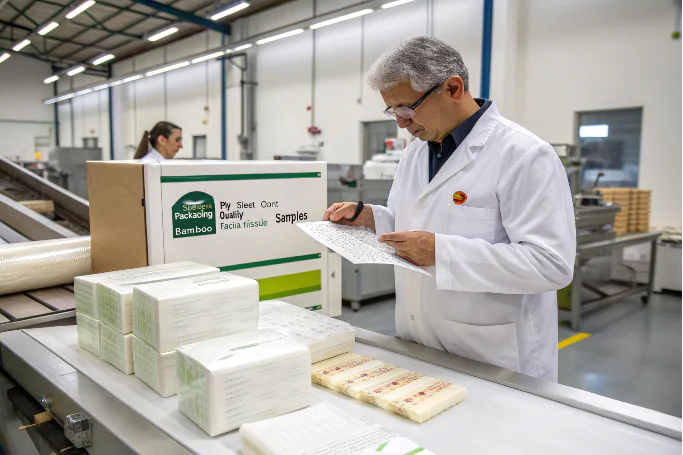
Here’s what I check in every sample:
| Quality Check | What to Look For |
|---|---|
| Softness | Feel with dry and wet hands |
| Sheet Count | Count actual sheets vs. what's promised |
| Ply Strength | Pull test for layers |
| Packaging | Sealing, printing, and durability |
| Labeling | Check for language, grammar, standards |
If the sample is wrong, the full shipment will be worse. I only proceed when the supplier gets it right on the first try. That’s how I protect my clients.
Where can I find OEM bamboo tissue factories online?
There are too many suppliers online. Most look the same. But only a few can actually deliver good quality, consistent lead times, and customized packaging.
The best places to find OEM bamboo tissue factories are Alibaba, Made-in-China, LinkedIn, and B2B trade directories like Global Sources.
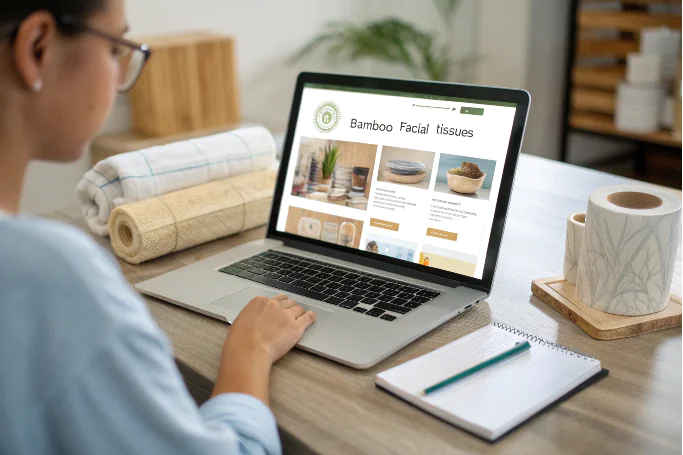
Where I usually search:
| Platform | What’s Good | Tips |
|---|---|---|
| Alibaba | Trade Assurance, supplier reviews | Filter by "Gold Supplier" |
| Made-in-China | China-focused factories | Use RFQ to get fast quotes |
| Direct access to sales managers | Search for export managers | |
| Global Sources | Verified trade companies | Useful for large-scale buyers |
I also ask my clients to attend the Canton Fair or Tissue World Expo. It’s the best way to meet real suppliers face to face and build trust.
Conclusion
Finding a reliable OEM/ODM bamboo tissue supplier takes time. But if you check their background, test their samples, and ask the right questions, you can avoid most of the risk.
Share this article
About the Author

You might also like
Why Are Bamboo Fibre Tissue Manufacturers with Low MOQs Better Suited for Small and Medium-Sized Wholesalers?

Why Is Demand for Bamboo Fibre Toilet Paper Growing Rapidly in the US Market?

How to Determine Whether a Bamboo Fibre Tissue Manufacturer Possesses Long-Term Supply Capability?

Why Are Soft Pack Facial Tissues Gaining Popularity in Hotels and Restaurants?
How Can Customized Soft Pack Facial Tissues Boost Your Brand’s Image?
What Are the Key Benefits of Using Soft Pack Facial Tissues Over Traditional Boxed Tissues?

Is There a Market Demand for Eco-Friendly Soft Pack Facial Tissues in the Middle East?

What Should Wholesalers Look for in a Reliable Soft Pack Facial Tissue Manufacturer?

Can Soft Pack Facial Tissues Be Customized for Religious and Holiday Events?