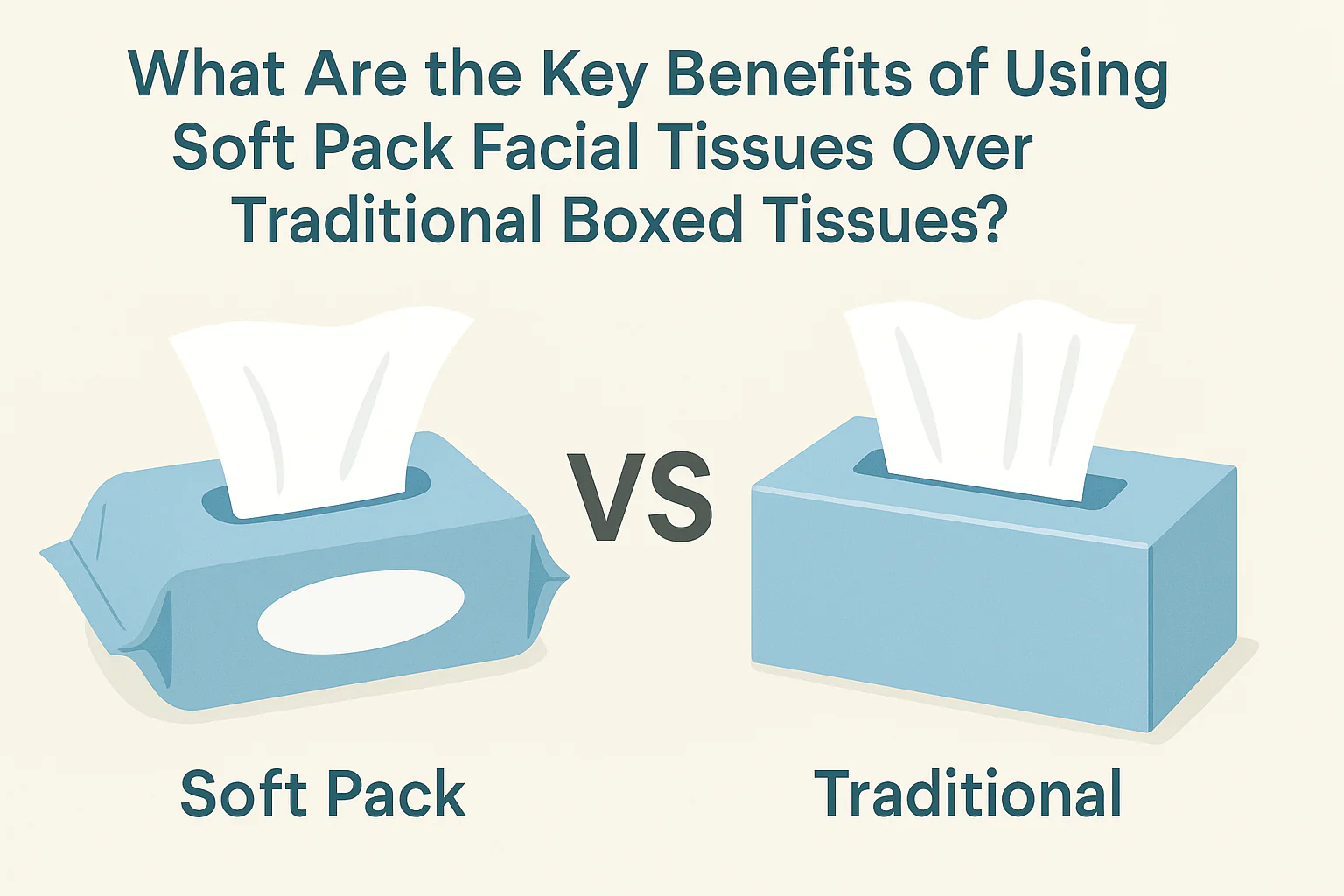
What Are the Key Benefits of Using Soft Pack Facial Tissues Over Traditional Boxed Tissues?
Boxes are bulky, harder to store, and cost more to ship. Soft packs solve these problems with better storage and lower shipping costs.
Soft pack facial tissues[^1] are more compact, lightweight, and cost-efficient[^2] than boxed tissues. They use less packaging, reduce shipping volume, and save storage space—without compromising softness or hygiene.
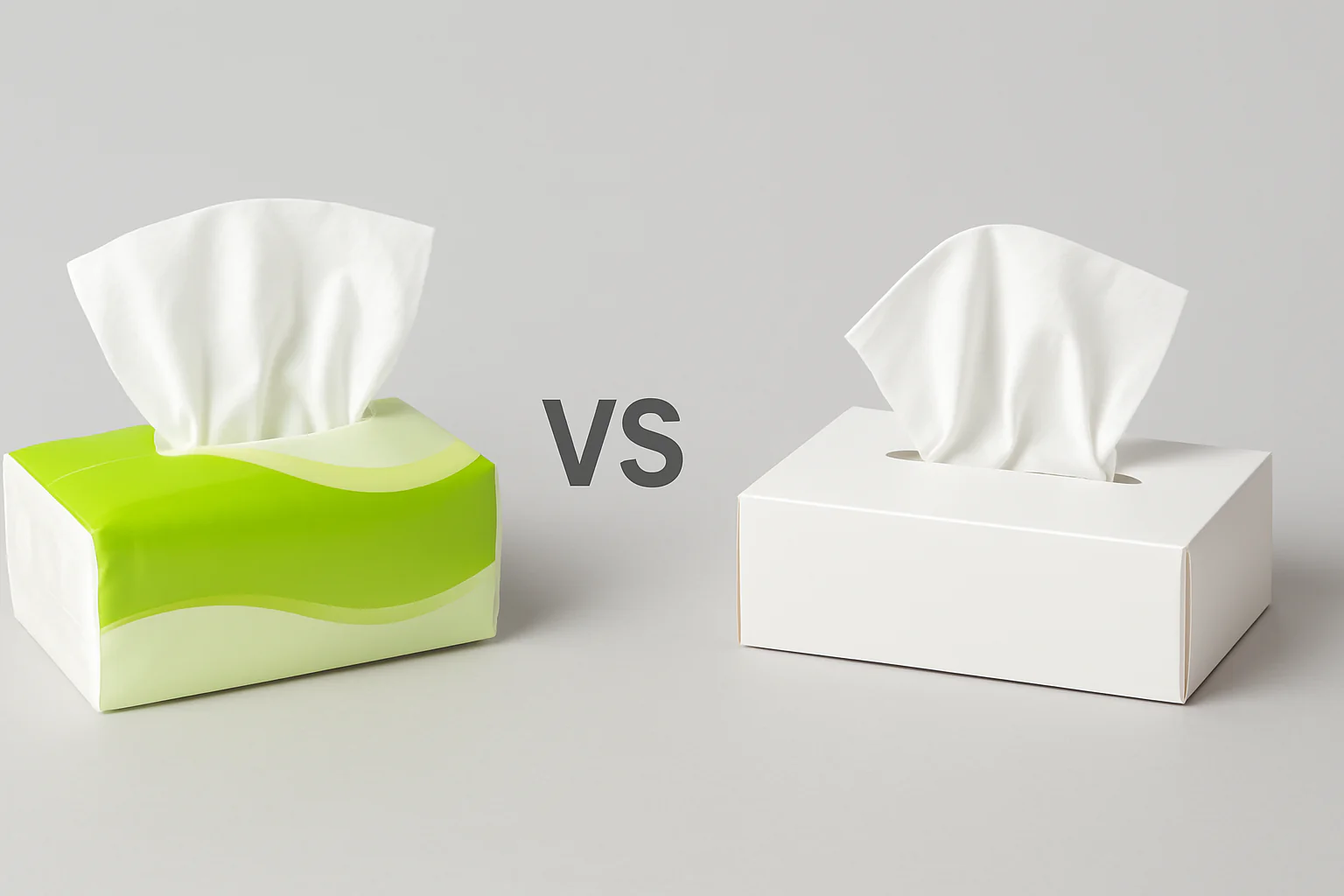
If you're importing tissues by the container or managing shelf space[^3] in a retail store, the difference between soft packs and boxes can affect your bottom line. Let's compare both.
What Defines a Boxed Facial Tissue?
We all know the classic cardboard cube or rectangle. But what's inside and outside matters more.
Boxed tissues use rigid packaging made of paperboard. They usually contain more sheets and are ideal for fixed locations like desks or bathrooms.
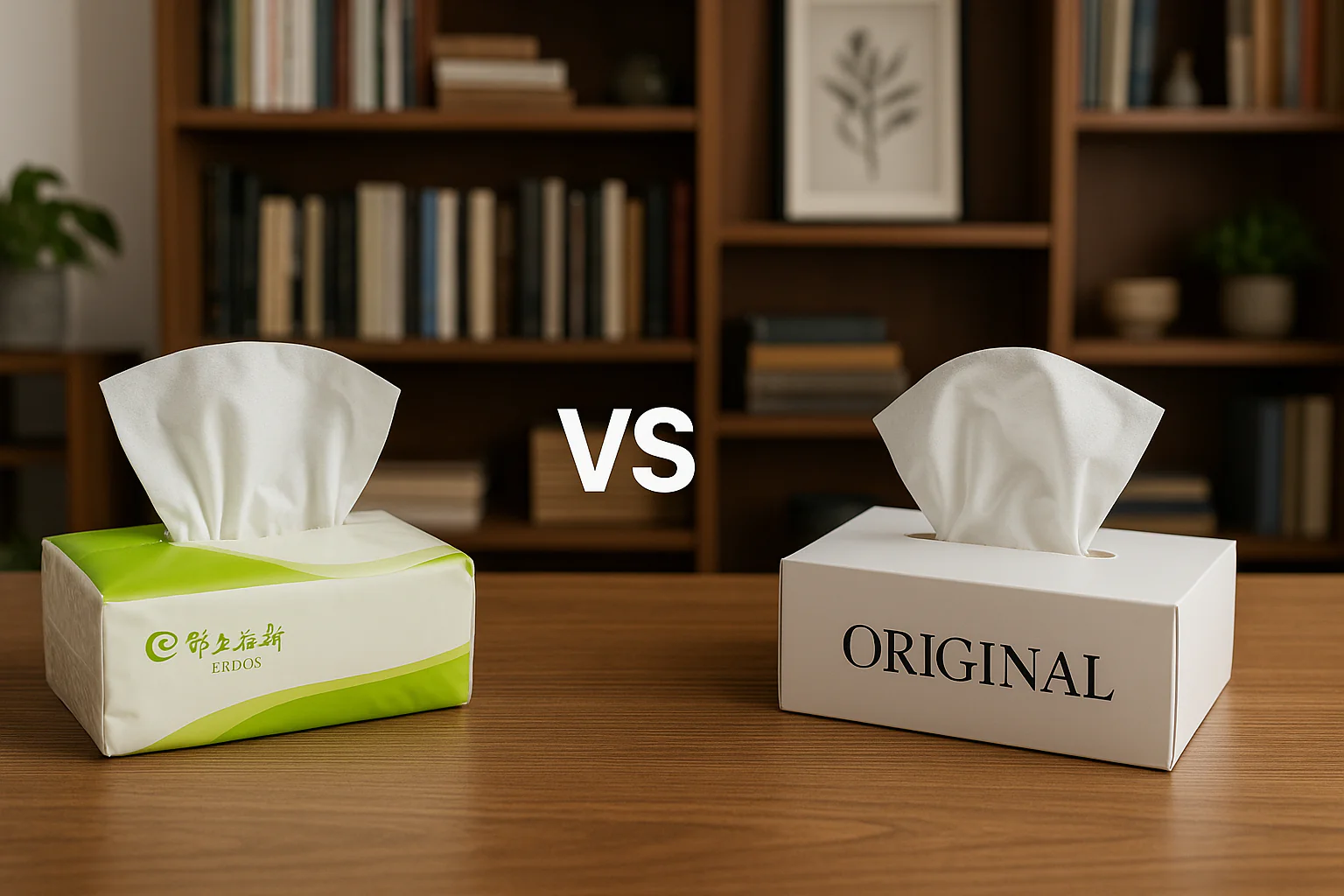
Boxed tissues often come with a plastic window and larger branding space. They're meant to sit still—like in hotel rooms or offices. But for importers and wholesalers[^4], boxes take up more space and weight. That means higher costs for shipping and less flexibility for display. If branding is important, boxes may still appeal, but for most use cases, they're less efficient to move and store.
Boxed Tissue Packaging Features
| Feature | Description |
|---|---|
| Material | Paperboard with inner poly film |
| Avg. sheet count | 100–150 sheets per box |
| Packaging volume | Bulky, takes more shelf space[^3] |
| Suitability | Hotels, offices, fixed indoor spaces |
| Disposal impact | More packaging waste |
What Makes Soft Pack Facial Tissues More Practical?
Soft packs are becoming the go-to for smart importers and B2B buyers.
Soft packs are flexible plastic-wrapped tissues[^5] with fewer sheets, easier stacking, and lower shipping volume—making them ideal for transport and shelf use.
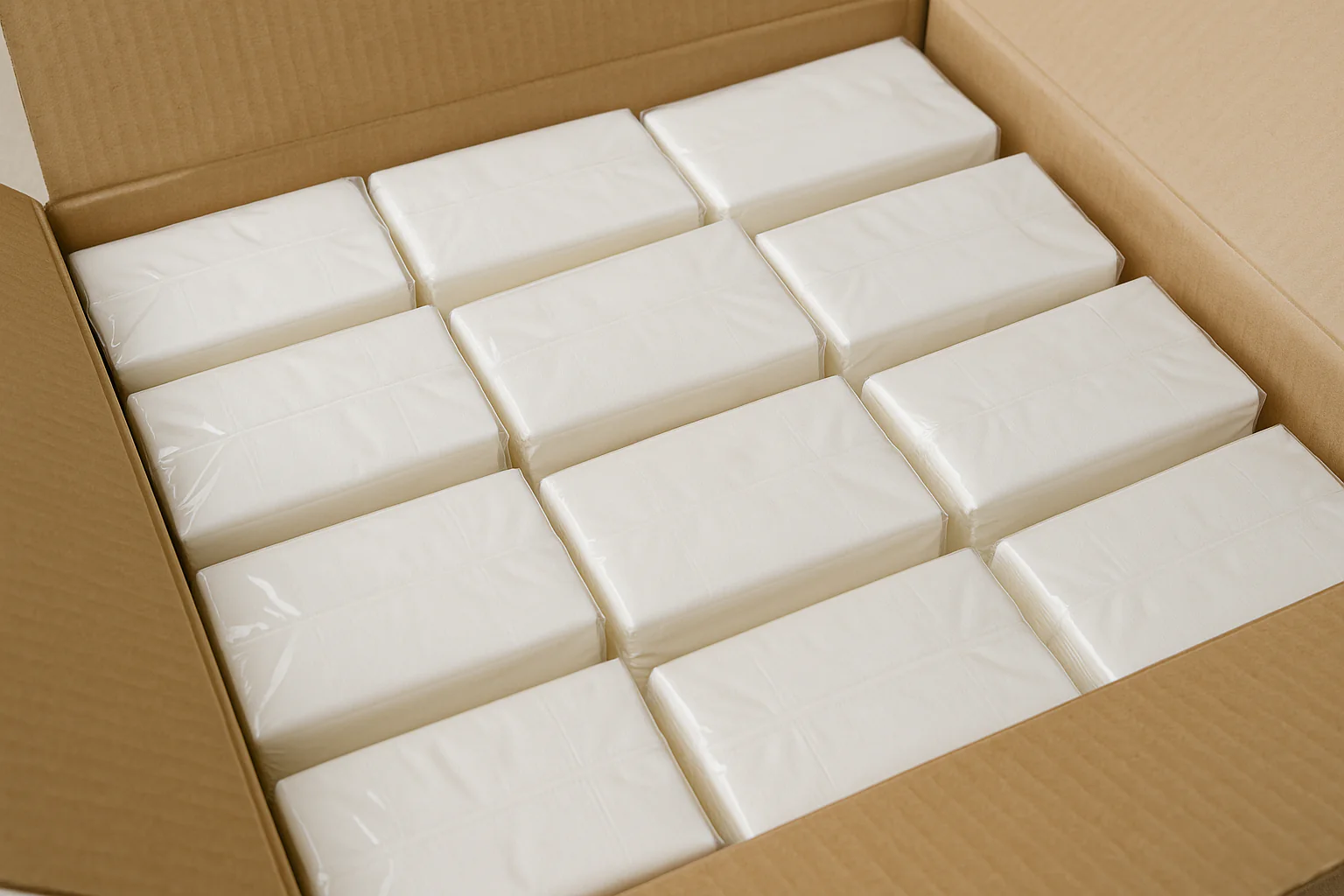
In my experience, clients switch to soft packs when they need to optimize cargo loads or free up shelf space[^3]. One client in Doha reduced container costs by 18% just by switching to soft packs. They're lighter, compressible, and easier to palletize. For distributors, they’re easier to mix into multipacks and don’t collapse when stacked.
Soft Pack Tissue Packaging Features
| Feature | Description |
|---|---|
| Material | Flexible PE or biodegradable film[^6] |
| Avg. sheet count | 40–100 sheets per pack |
| Packaging volume | Compact, fits tight spaces |
| Suitability | Travel, retail, HORECA[^7] |
| Disposal impact | Less material, lower waste volume |
How Does Material Differ Between Soft and Boxed Tissue Packaging?
The inside is the same—but the outer wrap tells a different story.
Both use soft, 2–3 ply tissue made from virgin or bamboo pulp. The difference lies in packaging: soft packs use film; boxes use paperboard and inner plastic windows.
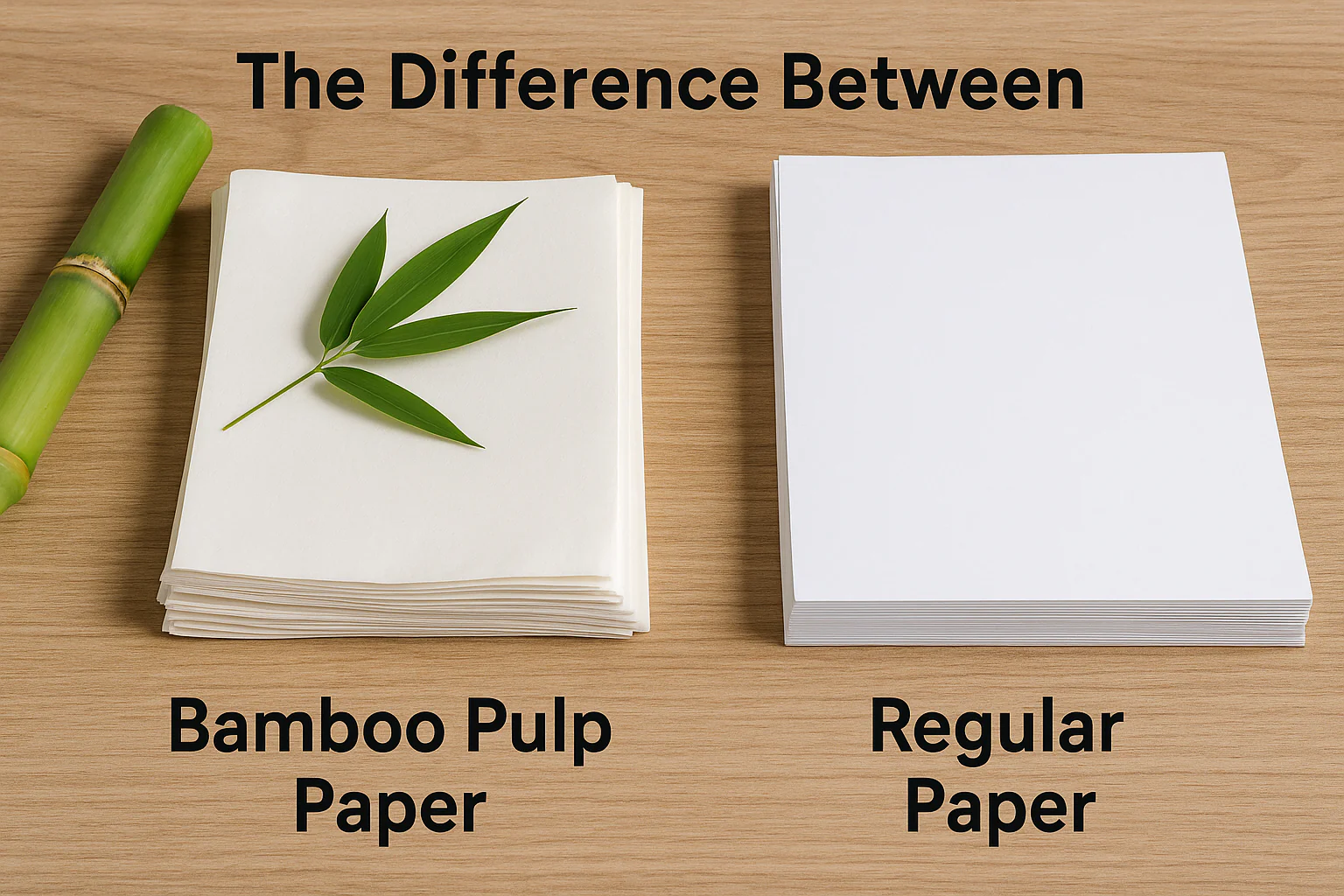
Soft packs don’t just cut space—they often reduce plastic too. That sounds backward, but it’s true. Boxed tissues typically have a plastic film insert that adds to total waste. Soft packs may use mono-materials that are easier to recycle. Many importers ask us for eco alternatives[^8]. For those clients, we offer bamboo pulp tissues in biodegradable soft packs—no window, no glue, just clean folds and clear branding.
Environmental Comparison Table
| Packaging Type | Recyclability | Plastic Use | Biodegradable Options |
|---|---|---|---|
| Boxed Tissue | Low–Moderate | Moderate | Limited (hybrid parts) |
| Soft Pack | Moderate–High | Low | Yes (custom film) |
Which Tissue Brands Offer Both Soft Pack and Box Options?
Big brands know one size doesn’t fit all markets.
Brands like Kleenex, Puffs, and Yingbailanka offer both boxed and soft pack formats. Soft packs often sell better in travel or bulk supply channels.
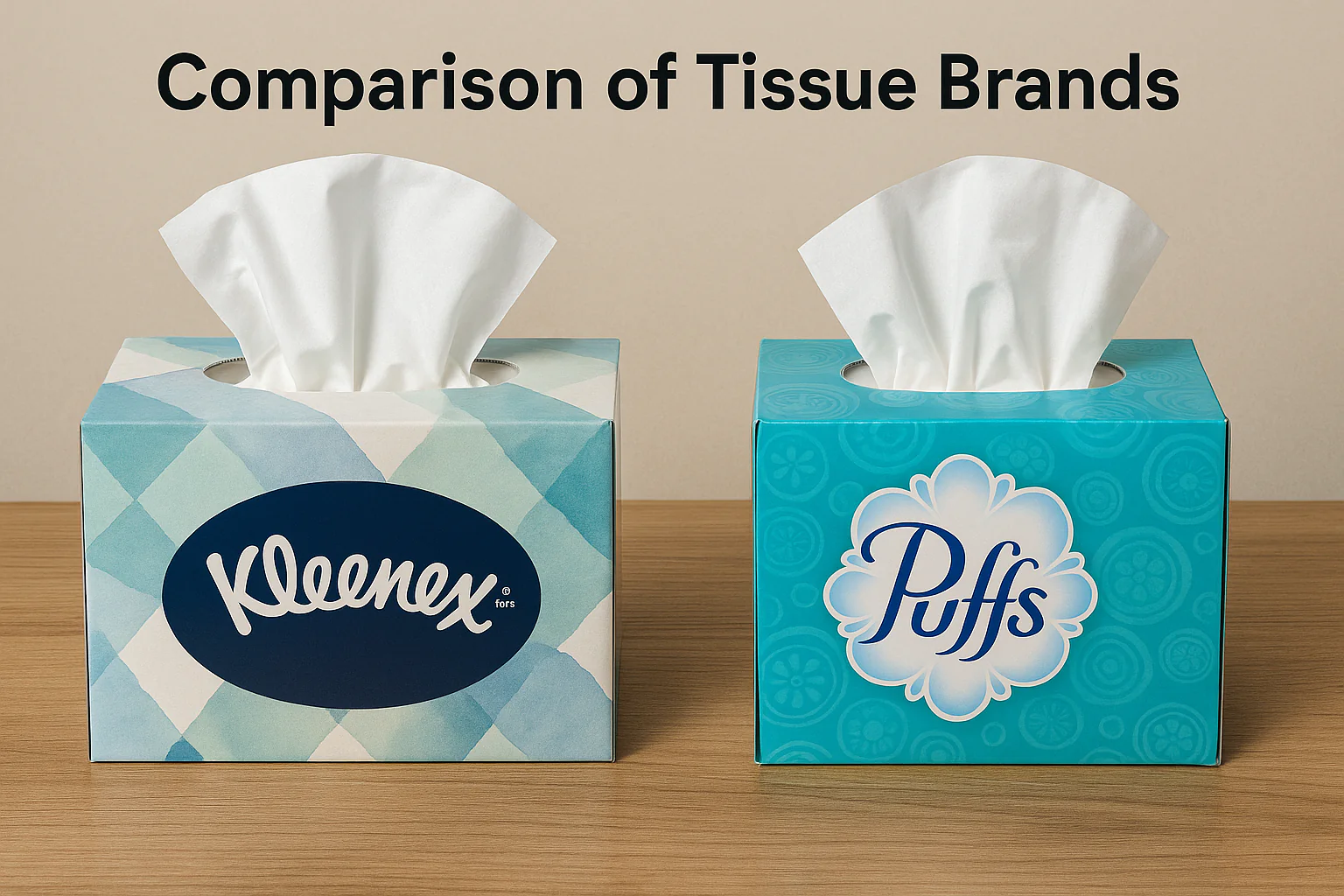
I’ve sourced both types for clients in retail and hospitality. Kleenex Ultra Soft[^9] boxes are popular in upscale rooms. But Yingbailanka soft packs win for importers—they're custom-printed, meet hygiene standards, and fit 3 times more into a single pallet. For private label buyers, soft packs are a no-brainer. You get full wraparound branding, less damage risk during shipping, and more flexibility on design.
Brand Offerings Overview
| Brand | Soft Pack Available | Boxed Option | Private Label Support |
|---|---|---|---|
| Kleenex | Yes | Yes | No |
| Puffs | Yes (some) | Yes | No |
| Yingbailanka | Yes (fully custom) | Yes | Yes |
| Costco/Kirkland | Yes (limited) | Yes | No |
What Are the Pros and Cons of Soft Pack Facial Tissue?
Every packaging format has trade-offs.
Soft packs are space-saving, cheaper to ship, and easier to customize. But they may contain fewer sheets and need display trays for upright presentation.
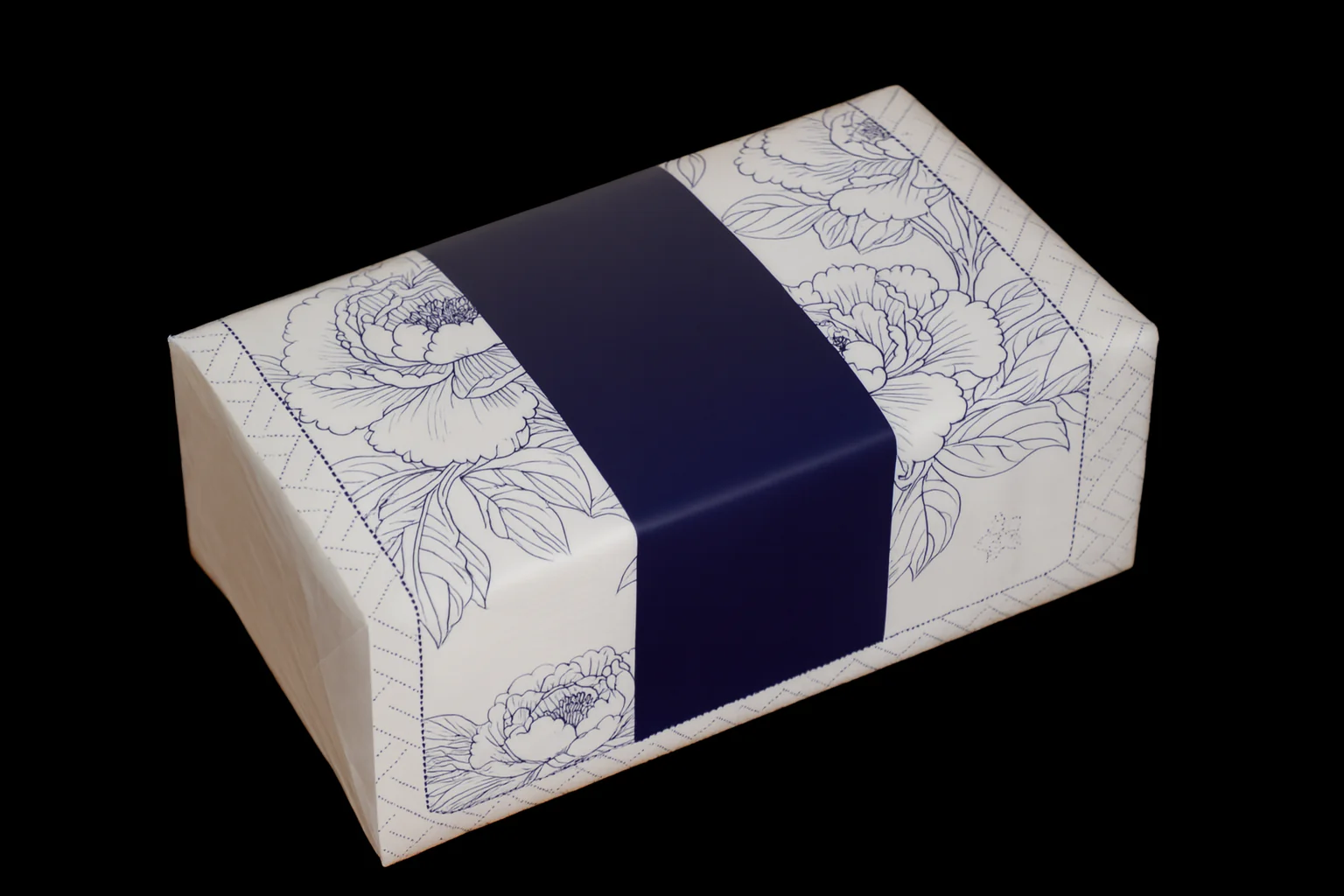
When you weigh up soft pack vs box, it's not just the unit price. It's cost per sheet, storage efficiency, and freight impact. I’ve worked with hotel groups who used boxes because they looked premium—but switched to soft packs after calculating the logistics cost. If you sell in convenience retail or supply hospitality chains, the pros often outweigh the cons.
Pros and Cons Table
| Pros of Soft Pack | Cons of Soft Pack |
|---|---|
| Lower shipping volume | Fewer sheets per pack |
| More branding area (full wrap print[^10]) | May require trays for display |
| Stackable and compressible | Less suitable for permanent placement |
| Less packaging waste | Can appear less “premium” without design |
Why Soft Pack Tissues Are More Practical for Wholesalers
Every centimeter on a pallet counts. So does every kilogram on a truck.
Soft packs reduce overall transport and warehouse cost[^11]. Their flexible packaging makes them ideal for large-scale distribution and private label branding.
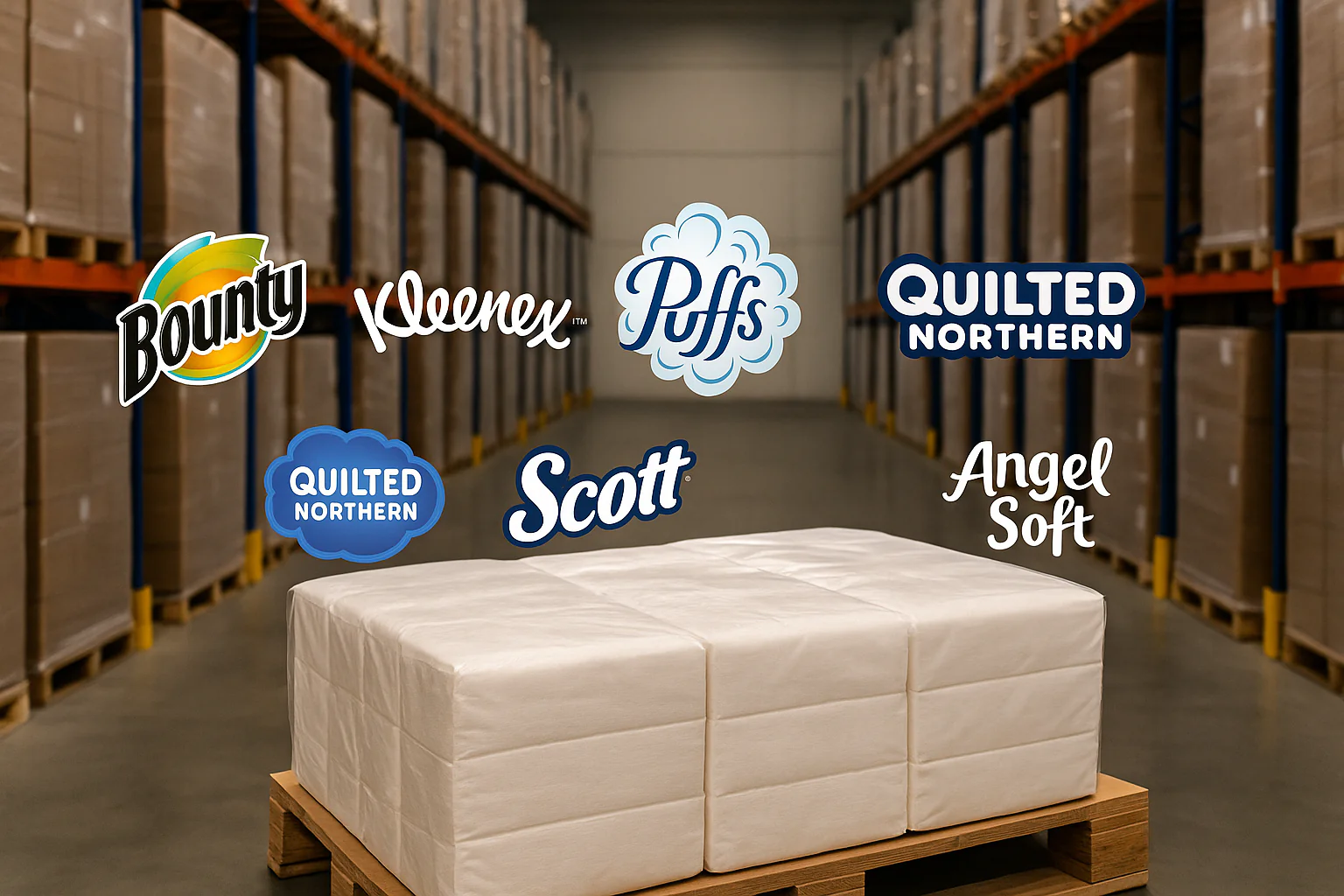
One of our clients in Riyadh said it best: "I can fit three times the product in the same warehouse space." For wholesalers dealing with monthly container orders, that’s the difference between profit and loss. Add the custom branding benefit, and soft packs become a branding tool too. For HORECA[^7], retail, and travel segments—soft packs win on cost, logistics, and flexibility.
Conclusion
Soft pack tissues save space, reduce costs, and offer better branding. For importers and wholesalers[^4], they’re not just a packaging option—they're the smarter choice.
Contact: [email protected]
Brand: Yingbailanka
Website: onepacktissue.com
Country: China
[^1]: Discover the advantages of soft pack facial tissues over traditional boxed options for better efficiency.
[^2]: Learn how soft pack tissues can save you money on shipping and storage.
[^3]: Explore the importance of shelf space in maximizing retail sales and visibility.
[^4]: See how soft pack tissues can optimize logistics for importers and wholesalers.
[^5]: Explore the benefits of flexible plastic-wrapped tissues for various applications.
[^6]: Find out how biodegradable film can reduce environmental impact in tissue packaging.
[^7]: Learn about the HORECA sector and its significance in the tissue market.
[^8]: Discover eco-friendly tissue packaging options that reduce waste and promote sustainability.
[^9]: Learn why Kleenex Ultra Soft is a preferred choice for upscale environments.
[^10]: Discover the advantages of full wrap print for branding and marketing.
[^11]: Find out how soft packs can significantly lower transport and warehouse expenses.
Share this article
About the Author

You might also like

Why Are Bamboo Fibre Tissue Manufacturers with Low MOQs Better Suited for Small and Medium-Sized Wholesalers?

Why Is Demand for Bamboo Fibre Toilet Paper Growing Rapidly in the US Market?

How to Determine Whether a Bamboo Fibre Tissue Manufacturer Possesses Long-Term Supply Capability?

Why Are Soft Pack Facial Tissues Gaining Popularity in Hotels and Restaurants?
How Can Customized Soft Pack Facial Tissues Boost Your Brand’s Image?

Is There a Market Demand for Eco-Friendly Soft Pack Facial Tissues in the Middle East?

What Should Wholesalers Look for in a Reliable Soft Pack Facial Tissue Manufacturer?

Can Soft Pack Facial Tissues Be Customized for Religious and Holiday Events?

Why Are Soft Pack Facial Tissues Ideal for the Travel and Tourism Industry?