# What Is the Best-Selling Soft Pack Tissue Specification in Saudi Arabia?
Tissue distributors in Saudi Arabia often lose time and money by guessing what sells best.
The best-selling soft pack tissue[^1] in Saudi Arabia is a 3-ply pack[^2] with 100–120 sheets, Arabic-labeled packaging[^3], and compact size[^4]. This format fits retail, wholesale, and HORECA channels[^5] and meets buyer expectations for softness[^6], hygiene, and compliance.
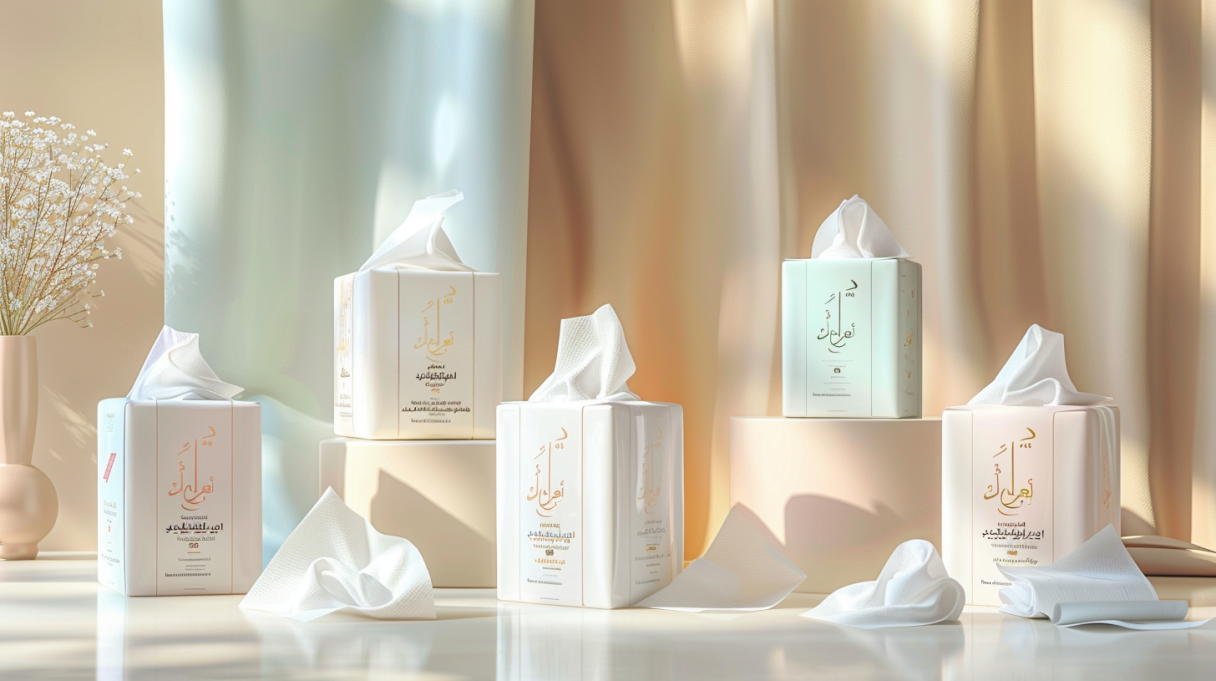
Many importers ask me what product specification performs best in Saudi Arabia. It’s not just about softness[^6] or price. It’s about the right format that retail buyers[^7] trust and that consumers prefer every day.
Why Do Saudi Retailers Prefer 100–120 Sheet Soft Packs?
New exporters often choose random sizes for their tissue packs without checking what’s already working.
Saudi retailers prefer 100–120 sheet soft packs because they offer the right balance of price, shelf fit, and daily usability.
Dive deeper
When I walk into supermarkets in Riyadh or Jeddah, I always find soft packs with 100 to 120 sheets dominating the shelves. These packs are not too bulky, which helps retailers display more stock in less space. They are not too small either, so customers feel they’re getting good value.
This size range is ideal for travel, home, and business use. It's also cost-effective for buyers looking to keep prices competitive. Whether you’re supplying a convenience store or a hotel gift shop, this size offers wide appeal.
| Spec Detail | Why It’s Popular in KSA |
|---|---|
| 100–120 sheets/pack | Just right for family and office use |
| Compact soft wrap | Fits in cars, drawers, and checkout zones |
| 2–3 ply | Balances softness[^6] with cost-effectiveness |
| Water-resistant pack | Survives travel and weather exposure |
| Easy branding area | Space for logos and Arabic text |
This is why our most requested soft pack configuration for KSA is 3-ply, 110 sheets, with Arabic labeling and flexible wrap. It hits the sweet spot across multiple B2B channels.
What Makes 3-Ply Tissues the Standard in KSA?
Many think thicker tissues cost too much to produce. But in Saudi Arabia, lower ply just doesn’t cut it.
3-ply tissues are the standard in Saudi Arabia because buyers expect softness[^6] and strength, especially in hotel, retail, and gifting applications.
Dive deeper
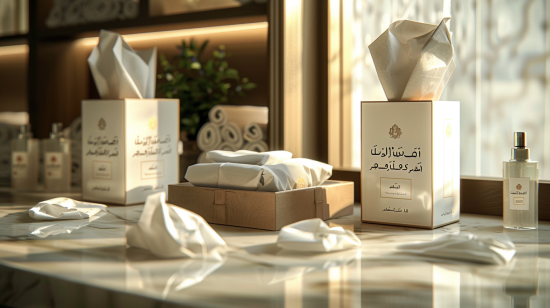
In a region where temperature and dust affect skin comfort, users care a lot about tissue quality. I’ve had many clients request samples in both 2-ply and 3-ply just to test the feel. Almost every time, the 3-ply wins.
In hospitality, guests expect a premium feel. In retail, 3-ply tissues allow sellers to justify a slightly higher price point. For gifting, softness[^6] adds a sense of care and luxury.
| Ply Count | Use Case in KSA | Market Impact |
|---|---|---|
| 2-ply | Budget hotels, some grocery chains | Lower price, but lower customer loyalty |
| 3-ply | Supermarkets, hotels, corporate giveaways | Higher perceived value, stronger demand |
| 4-ply | Luxury packaging (rare, expensive) | Niche use, not the volume leader |
At Yingbailanka, we default to 3-ply for Saudi orders unless the client requests otherwise. We use virgin wood pulp[^8] or bamboo fiber pulp[^9], both of which meet softness[^6] standards. This helps clients maintain quality and build a loyal customer base.
How Important Is Arabic-Labeled Packaging for Saudi Consumers?
Many exporters overlook local language. That mistake can cost them credibility and shelf space.
Arabic-labeled packaging[^3] is essential for Saudi Arabia because it builds trust, meets compliance, and helps products connect with local consumers.
Dive deeper
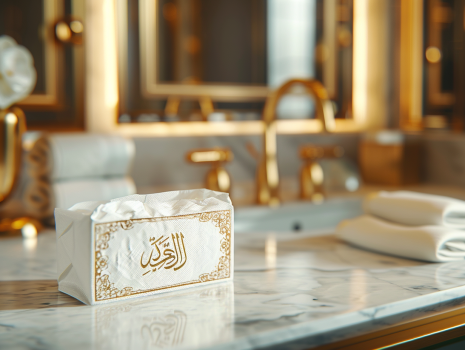
I’ve had buyers reject entire shipments because the outer packaging didn’t show Arabic instructions or branding. Even if the product was perfect, the labeling made it feel “foreign” and hard to sell.
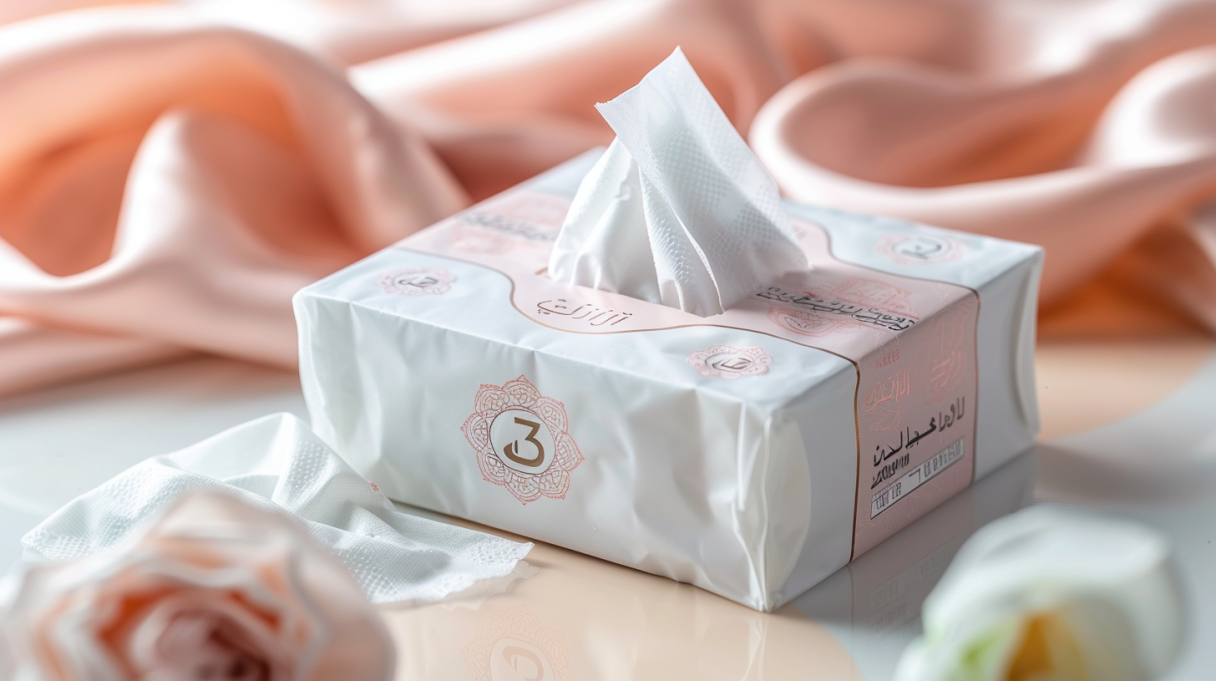
In Saudi Arabia, especially in retail and HORECA channels[^5], Arabic is not optional. It’s expected. This includes product name, usage instructions, brand claims, and legal notices. For promotional packs or seasonal themes like Ramadan, Arabic calligraphy adds strong emotional value.
| Arabic Labeling Element | Purpose |
|---|---|
| Product name and size | Consumer clarity, meets shelf standards |
| Usage instructions | Helps families and hotel staff alike |
| Compliance icons (GSO, ISO) | Signals hygiene and safety trust |
| Festive or themed design | Boosts impulse buys[^10] during holidays |
| Local contact details | Builds confidence in customer support |
We support full Arabic packaging customization. Our design team can include your brand message in Arabic, create Ramadan editions, and make your soft pack feel “at home” in Saudi households.
Which Brands Are Popular in Saudi Tissue Aisles?
Some sellers think only local brands sell in Saudi. But that’s not the full story.
Well-known names like Kleenex, Softy, and Fine dominate KSA retail, but there is growing demand for high-quality OEM alternatives[^11] with custom branding.
Dive deeper
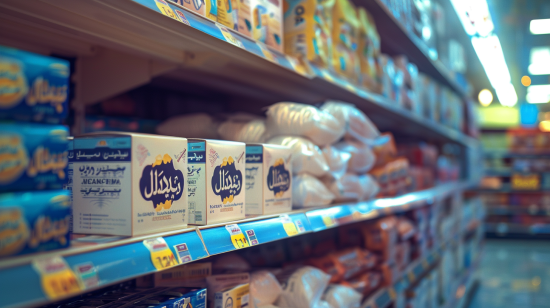
If you walk through Panda or Othaim in Riyadh, you’ll see three things. One, the shelves carry global brands. Two, the pack designs are always bilingual. Three, there's space for private label products[^12] that offer better pricing or unique designs.
Buyers still trust the big names. But many retailers want exclusive branding. That’s where OEM and ODM suppliers can win. When we produce for Saudi clients, they often ask us to create a brand identity that competes visually with big players like Kleenex or Fine, but offers better flexibility on price and packaging size.
| Brand Name | Position in Market | How We Compete |
|---|---|---|
| Kleenex | Premium, well-known | Match quality, offer custom branding |
| Softy | Mass retail, strong value | Offer softer 3-ply, smaller MOQs |
| Fine | Regional leader, trusted | Compete with fast delivery, free design |
| OEM Brands | Fast-growing | Build packaging around buyer’s story |
This space gives smaller importers a real edge. If you move fast, offer custom packs, and focus on quality, you can claim your space on the shelf.
What Is the Average Price Range for Soft Packs in Saudi Arabia?
Some buyers overprice their tissues. Others undercut and lose profit. Knowing the market average keeps you competitive.
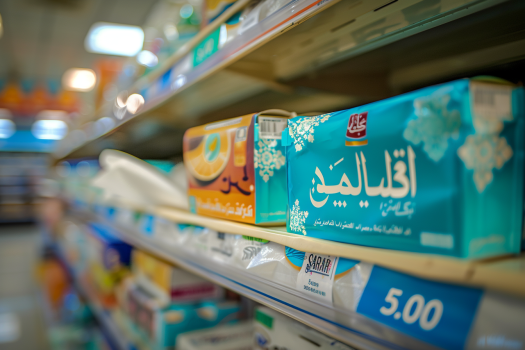
The average retail price for a soft pack in Saudi Arabia ranges from SAR 2.50 to SAR 5.00 depending on sheet count[^13], ply, and brand.
Dive deeper
Pricing in KSA depends on several factors—specs, store type, and brand position. In hypermarkets, multi-pack offers dominate. A 10-pack of 3-ply soft packs (100–130 sheets each) sells between SAR 25–45. This means each pack costs about SAR 2.5–4.5 at the retail level.
For hotels and catering buyers, the per-pack price can be lower due to volume orders. But even they expect high-end quality and clear branding. Knowing this range helps you set your FOB or CIF price wisely.
| Spec (Per Pack) | Retail Price (SAR) | Buyer Type |
|---|---|---|
| 2-ply, 100 sheets | 2.50–3.00 | Value buyers, groceries |
| 3-ply, 110–120 sheets | 3.50–4.50 | Mid-range, supermarkets |
| 3-ply, 130+ sheets | 4.50–5.00 | Premium or hotel market |
When pricing your soft pack for Saudi Arabia, always work backward. Know the shelf price. Then build your margins and logistics cost from there. That’s what smart distributors do.
Conclusion
If you want to sell tissues in Saudi Arabia, match the market. A 3-ply, 100–120 sheet soft pack with Arabic branding gives you the best chance to win repeat business.
[^1]: Explore the advantages of soft pack tissues, including convenience and usability, which are crucial for both retailers and consumers.
[^2]: Learn why 3-ply packs are favored for their softness and strength, making them ideal for various applications.
[^3]: Discover the importance of Arabic labeling in building trust and compliance in the Saudi market.
[^4]: Learn about the advantages of compact tissue packs for retailers and consumers alike.
[^5]: Understand the significance of HORECA channels and how they influence tissue distribution and sales.
[^6]: Find out why softness is a key factor for consumers when choosing tissue products.
[^7]: Gain insights into the preferences of retail buyers, which can help you tailor your products effectively.
[^8]: Explore the benefits of using virgin wood pulp in tissue production for quality and softness.
[^9]: Discover the eco-friendly benefits of bamboo fiber pulp in tissue manufacturing.
[^10]: Discover how effective packaging design can increase impulse purchases in retail settings.
[^11]: Discover the growing demand for OEM alternatives and how they can compete with established brands.
[^12]: Explore the rise of private label products and their impact on brand competition.
[^13]: Explore how the number of sheets in a pack influences consumer purchasing decisions.
Share this article
About the Author

You might also like
Why Are Bamboo Fibre Tissue Manufacturers with Low MOQs Better Suited for Small and Medium-Sized Wholesalers?

Why Is Demand for Bamboo Fibre Toilet Paper Growing Rapidly in the US Market?

How to Determine Whether a Bamboo Fibre Tissue Manufacturer Possesses Long-Term Supply Capability?

Why Are Soft Pack Facial Tissues Gaining Popularity in Hotels and Restaurants?
How Can Customized Soft Pack Facial Tissues Boost Your Brand’s Image?
What Are the Key Benefits of Using Soft Pack Facial Tissues Over Traditional Boxed Tissues?
Is There a Market Demand for Eco-Friendly Soft Pack Facial Tissues in the Middle East?

What Should Wholesalers Look for in a Reliable Soft Pack Facial Tissue Manufacturer?

Can Soft Pack Facial Tissues Be Customized for Religious and Holiday Events?