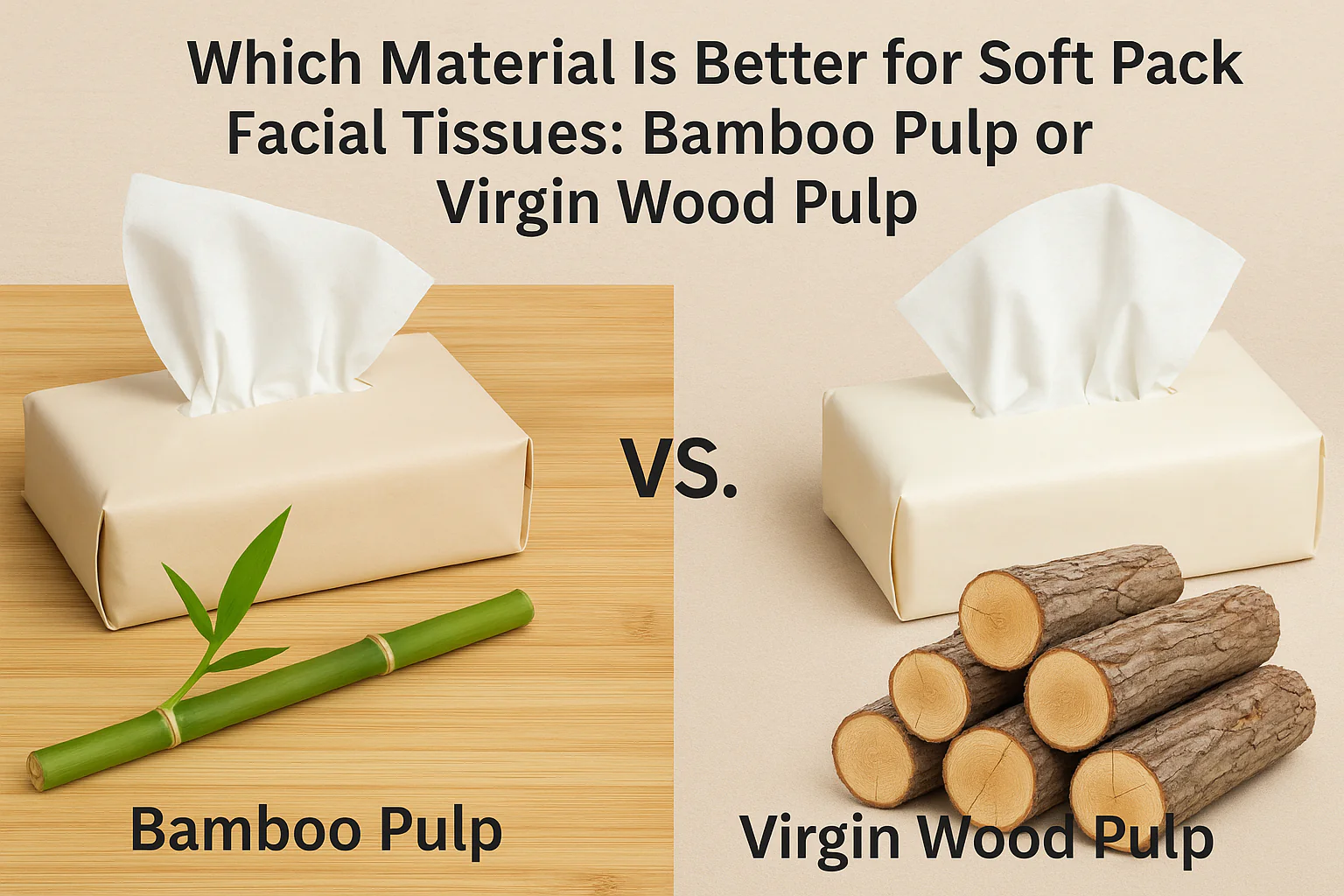
Which Material Is Better for Soft Pack Facial Tissues: Bamboo Pulp or Virgin Wood Pulp?
You want a tissue that’s soft and strong—but also eco-conscious[^1]. The material inside your soft pack matters more than most people think.
Bamboo pulp[^2] is biodegradable[^3] and gentle on skin, while virgin wood pulp[^4] offers superior absorbency[^5], strength, and a smoother texture, making both ideal—but for different needs.
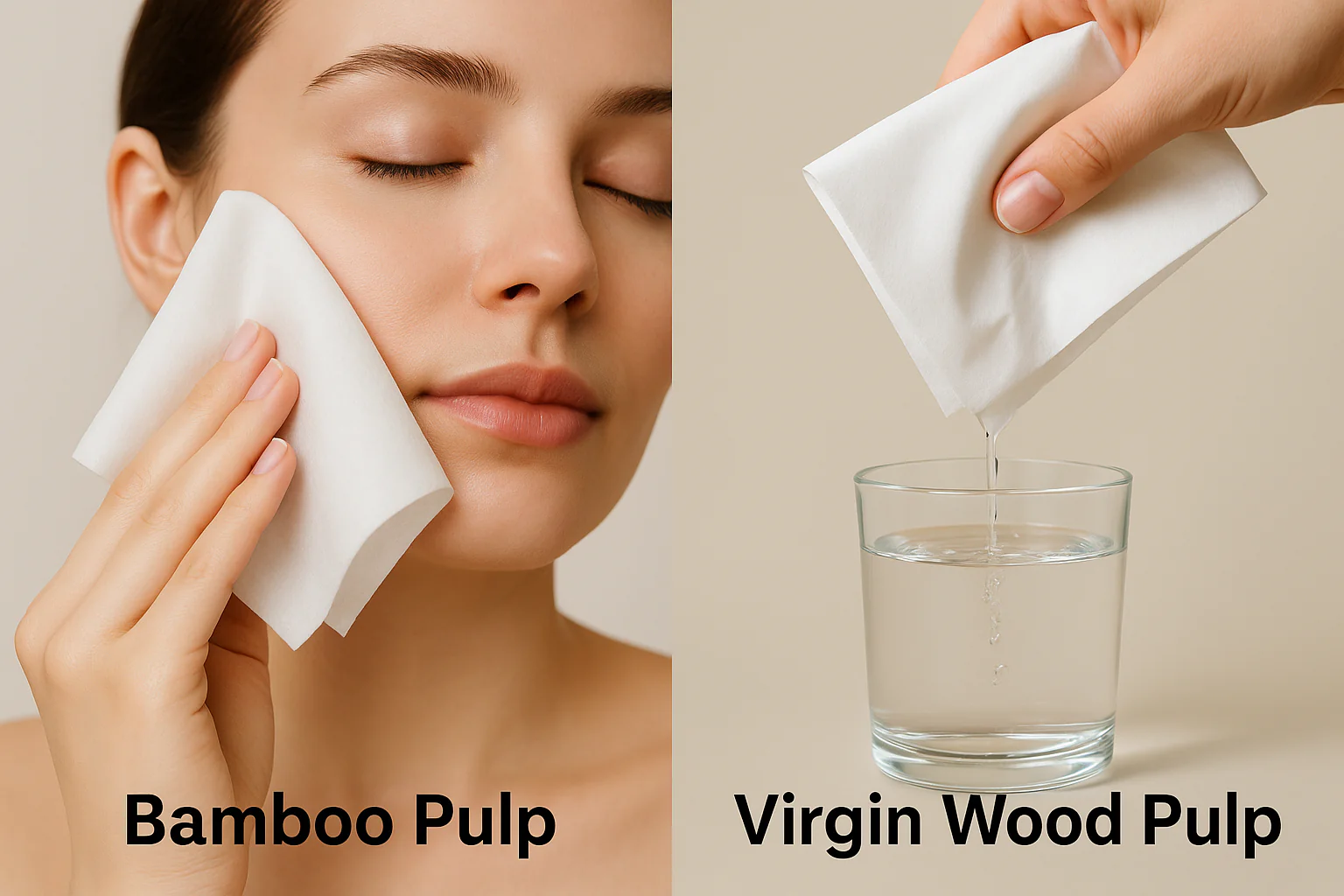
I’ve seen both materials gain popularity across different markets. Some buyers prioritize sustainability[^6], others care more about feel and durability. Whether you're selling in a retail store or online, your material choice tells your brand story.
Is Bamboo Facial Tissue Better?
If you're selling to eco-conscious[^1] buyers, bamboo is a winning choice.
Bamboo facial tissues are hypoallergenic[^7], biodegradable[^3], and naturally antibacterial[^8], making them ideal for sensitive skin[^9] and sustainable packaging[^10] claims.
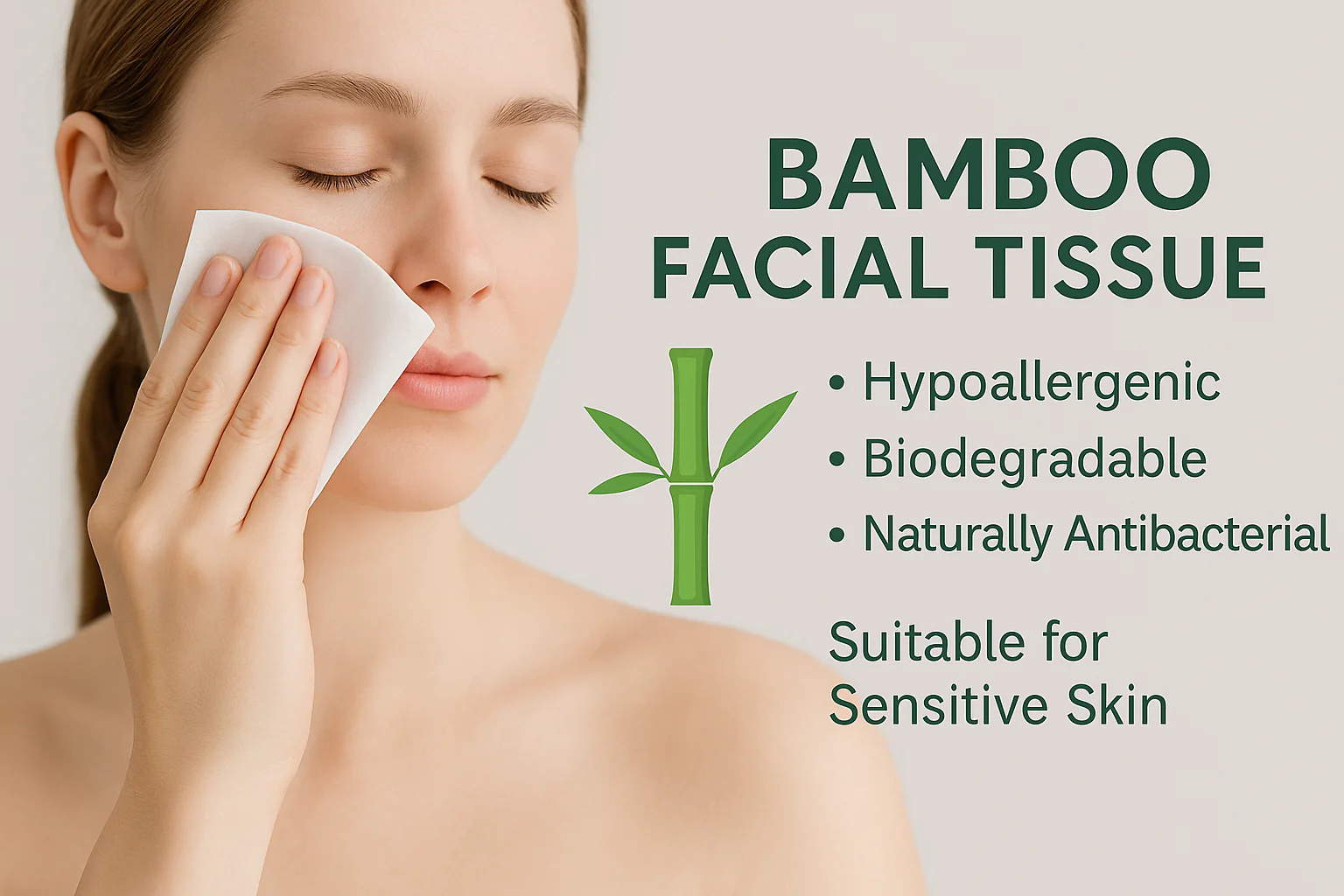
One of my clients in Dubai launched a bamboo tissue line during Ramadan. It was labeled in Arabic and English, and the brand positioned itself as both premium[^11] and ethical. Bamboo tissues are made from fast-growing grass, not trees, and require fewer chemicals during processing. This makes them ideal for health-focused and green-label brands.
Pros and Cons of Bamboo Pulp
| Feature | Benefit | Drawback |
|---|---|---|
| Hypoallergenic | Safe for sensitive skin[^9] | Slightly rougher texture |
| Antibacterial agent | Natural protection (bamboo kun) | Limited suppliers |
| Biodegradable | Eco-friendly and compostable | Slightly higher cost |
| Renewable material | Grows back quickly (3–5 years) | Needs clean sourcing |
| No chlorine used | Safe for babies and allergy users | Less absorbent than wood pulp |
What Is the Difference Between Virgin Wood Pulp and Bamboo Pulp?
It’s all about fiber quality and user experience.
Virgin wood pulp tissues offer higher absorbency[^5], smoother feel, and better wet strength than bamboo pulp, making them ideal for premium[^11] and everyday applications.
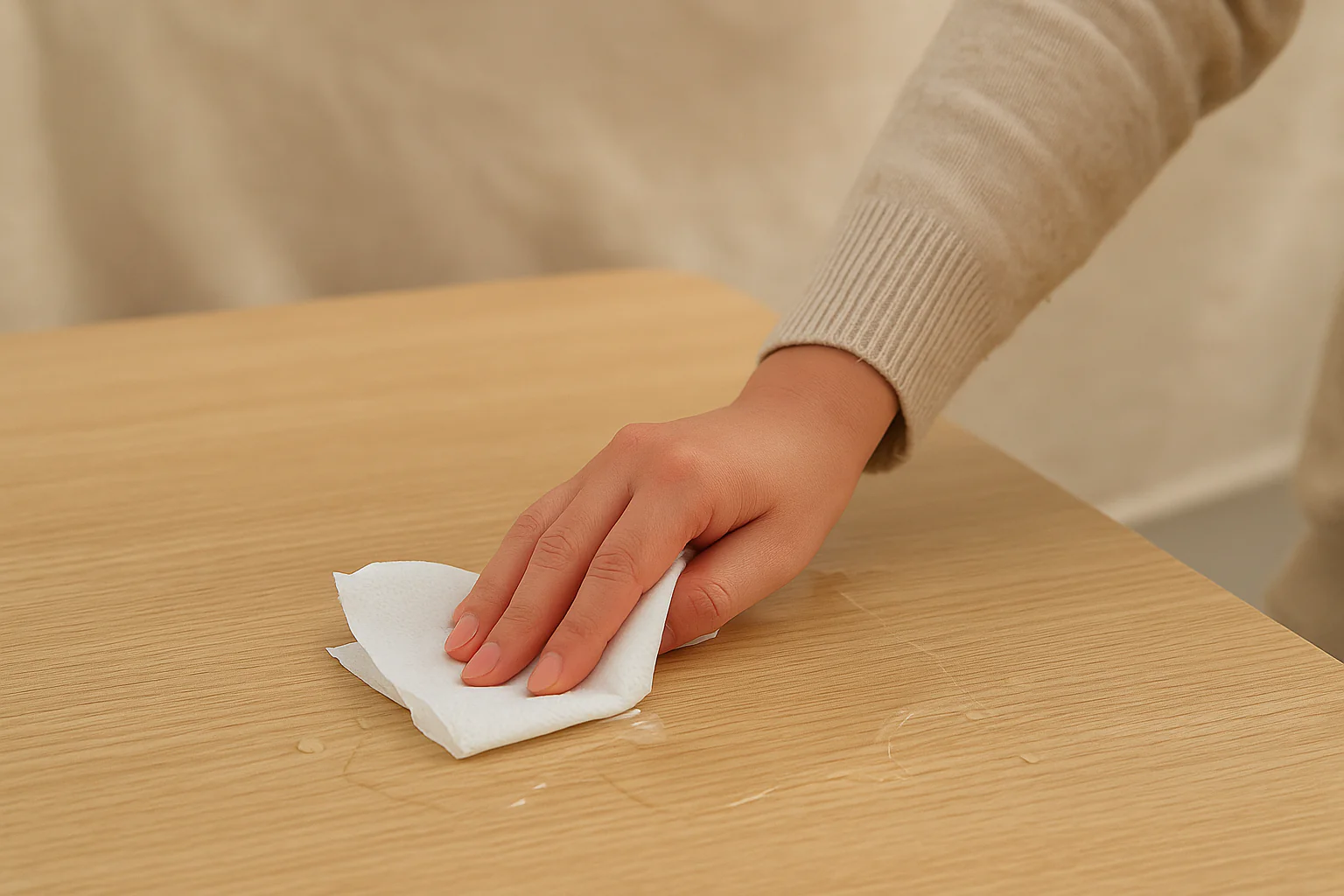
I had a customer from Saudi Arabia who tried bamboo but returned to virgin pulp due to its stronger feel and better shelf performance. Virgin pulp is made from freshly harvested wood (not recycled), so the fibers remain long and unbroken. It’s perfect for facial use, and it feels soft while still holding together when damp.
Virgin Wood Pulp Tissue Benefits
| Feature | Benefit |
|---|---|
| Long fiber strength | Holds together even when wet |
| Smoother texture | Ideal for luxury or hotel branding |
| High absorbency[^5] | Soaks up moisture effectively |
| Bright appearance | Appealing for high-end retail |
| Better shelf stability | Longer product lifespan |
How Do Bamboo and Virgin Pulp Compare in Sustainability?
Both are better than recycled pulp—but bamboo leads in renewability.
Bamboo pulp[^2] grows faster and uses fewer chemicals, but virgin pulp can be FSC-certified[^12] and sourced from responsibly managed forests.
A brand in Qatar asked us for GSO-compliant, eco-friendly packaging[^10]. We offered both FSC-certified[^12] virgin pulp and 100% bamboo tissue. The bamboo line was marketed as plastic-free and biodegradable[^3]. Virgin pulp was reserved for premium[^11] clients who valued performance over environmental branding. The best option depends on your buyer segment and sustainability[^6] goals.
Environmental Comparison Table
| Factor | Bamboo Pulp | Virgin Wood Pulp |
|---|---|---|
| Growth cycle | 3–5 years | 15–25 years |
| Chemical processing | Fewer chemicals | Chlorine-free options |
| Biodegradable | ✅ Yes | ✅ Yes |
| Forest impact | Minimal | Medium (depends on source) |
| Common certifications | FDA, ISO, GSO | FSC, ISO, GSO |
Is Bamboo Tissue Softer Than Virgin Pulp?
Softness varies by brand, but virgin pulp usually wins.
Virgin pulp tissues have a smoother finish and softer texture than bamboo, making them more suitable for hotel-grade or luxury applications.
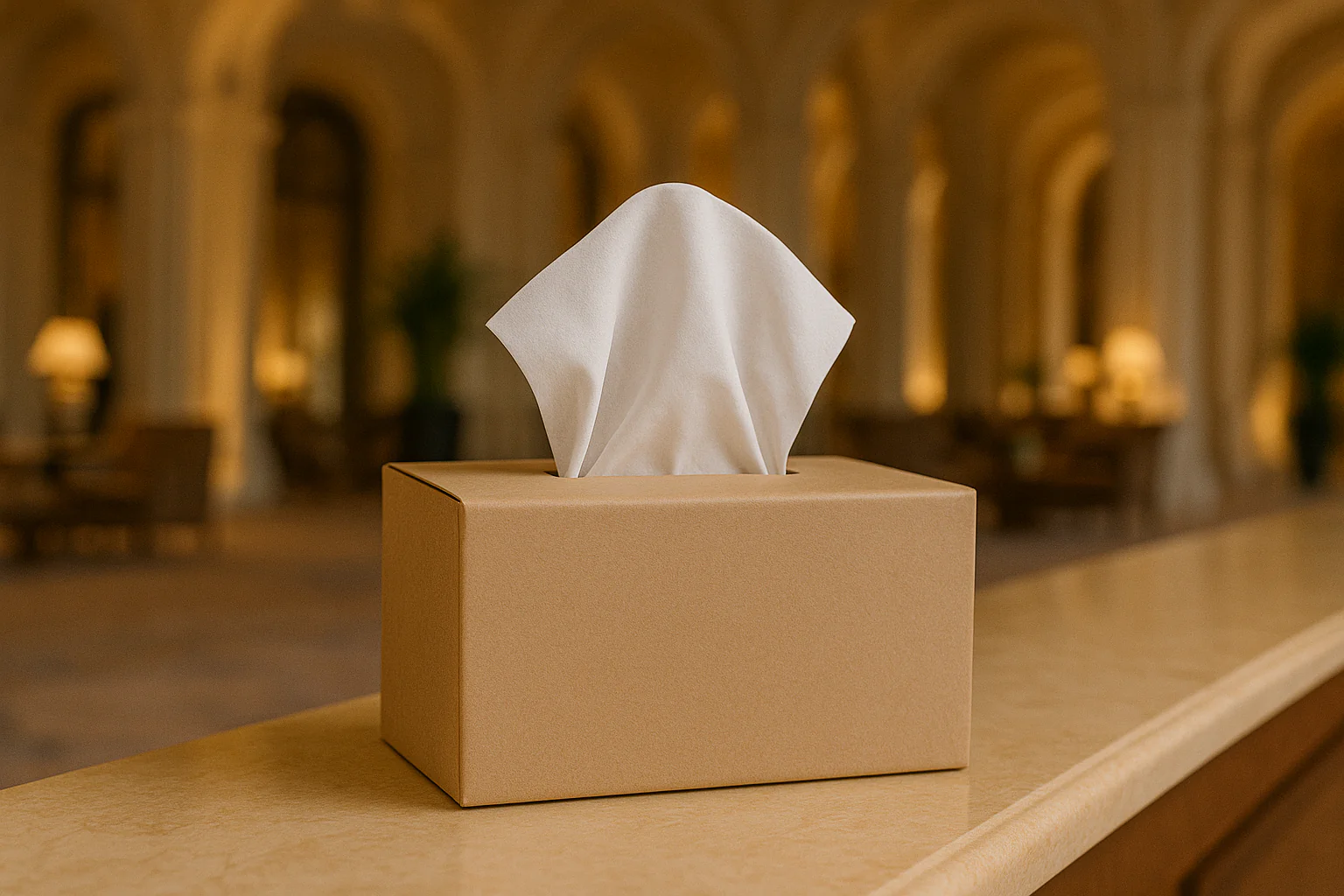
A hotel chain client in Riyadh wanted custom-labeled tissues for guest rooms. They tested both types and chose virgin pulp because of the feel. Bamboo was acceptable—but felt more “natural” than silky. For sensitive or premium[^11] audiences, the tactile experience matters. However, when combined with a softening process, bamboo tissues can also be quite comfortable.
Softness & User Experience
| Attribute | Bamboo Pulp | Virgin Wood Pulp |
|---|---|---|
| Skin sensitivity | Very good | Excellent |
| Smoothness | Moderate | High |
| Wet strength | Good | Very good |
| Scent retention | Mild (natural) | Better (if scented) |
| Brand feel | Eco + healthy | Premium + soft |
Which Should You Choose for Your Brand?
It depends on your audience and marketing goals.
Choose bamboo pulp if you're targeting eco-conscious[^1] or health-sensitive consumers. Choose virgin pulp if you need top performance and high-end presentation.
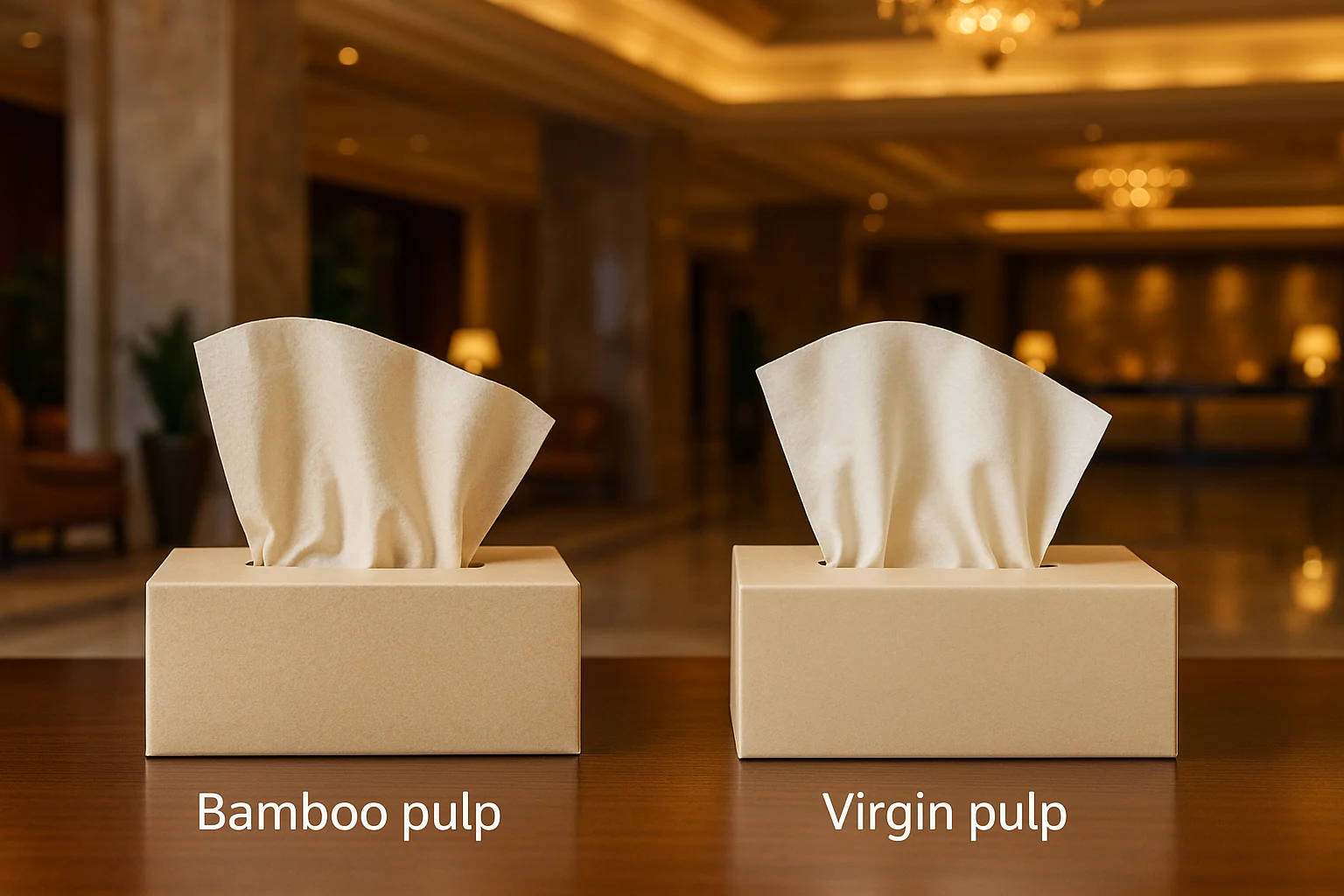
If you're selling on Amazon, a “green” label with bamboo messaging may attract eco shoppers. If you're selling to hotels or gift box suppliers, the smoother virgin pulp tissue may give your brand the luxurious edge it needs. At Yingbailanka, we offer both—with full OEM support, multi-language printing, and low MOQs.
Final Decision Matrix
| Use Case | Recommended Material |
|---|---|
| E-commerce eco branding | ✅ Bamboo Pulp |
| Hotel and hospitality use | ✅ Virgin Wood Pulp |
| Kids or baby products | ✅ Bamboo (hypoallergenic[^7]) |
| General retail soft packs | ✅ Virgin or blended pulp |
| Ramadan/Eid themed gifts | ✅ Either (based on design) |
Conclusion
Both bamboo and virgin pulp have their strengths. Choose bamboo for sustainability[^6] and sensitive skin[^9], and virgin wood pulp[^4] for top-tier softness[^13] and absorbency[^5]. The right choice depends on your product positioning and target customer.
Contact: [email protected]
Brand: Yingbailanka
Website: onepacktissue.com
Country: China
[^1]: Explore the concept of eco-consciousness and its relevance in consumer purchasing decisions.
[^2]: Explore the advantages of bamboo pulp, including its eco-friendliness and suitability for sensitive skin.
[^3]: Discover the environmental benefits of biodegradable tissues and their role in sustainability.
[^4]: Learn about virgin wood pulp's superior absorbency and strength, making it ideal for various applications.
[^5]: Learn about the key factors that influence tissue absorbency and performance.
[^6]: Explore various sustainable materials and their impact on eco-friendly product offerings.
[^7]: Understand the significance of hypoallergenic materials for sensitive skin and health-conscious consumers.
[^8]: Find out how bamboo's natural antibacterial properties enhance hygiene in tissue products.
[^9]: Find out which tissue materials are most suitable for individuals with sensitive skin.
[^10]: Learn about effective eco-friendly packaging solutions that align with sustainable tissue production.
[^11]: Understand the characteristics that make tissue products premium and desirable for high-end markets.
[^12]: Learn about the importance of FSC certification in ensuring responsible sourcing of wood pulp.
[^13]: Discover how softness affects user experience and product choice in tissue products.
Share this article
About the Author

You might also like
Why Are Bamboo Fibre Tissue Manufacturers with Low MOQs Better Suited for Small and Medium-Sized Wholesalers?

Why Is Demand for Bamboo Fibre Toilet Paper Growing Rapidly in the US Market?

How to Determine Whether a Bamboo Fibre Tissue Manufacturer Possesses Long-Term Supply Capability?

Why Are Soft Pack Facial Tissues Gaining Popularity in Hotels and Restaurants?
How Can Customized Soft Pack Facial Tissues Boost Your Brand’s Image?
What Are the Key Benefits of Using Soft Pack Facial Tissues Over Traditional Boxed Tissues?

Is There a Market Demand for Eco-Friendly Soft Pack Facial Tissues in the Middle East?

What Should Wholesalers Look for in a Reliable Soft Pack Facial Tissue Manufacturer?

Can Soft Pack Facial Tissues Be Customized for Religious and Holiday Events?