Why Are Bamboo Fibre Tissues More Environmentally Friendly Than Traditional Wood Pulp Tissues?
More consumers are asking for sustainable paper. But not all "green" claims are equal. Bamboo fibre tissue is quickly becoming the smart choice—and for good reason.
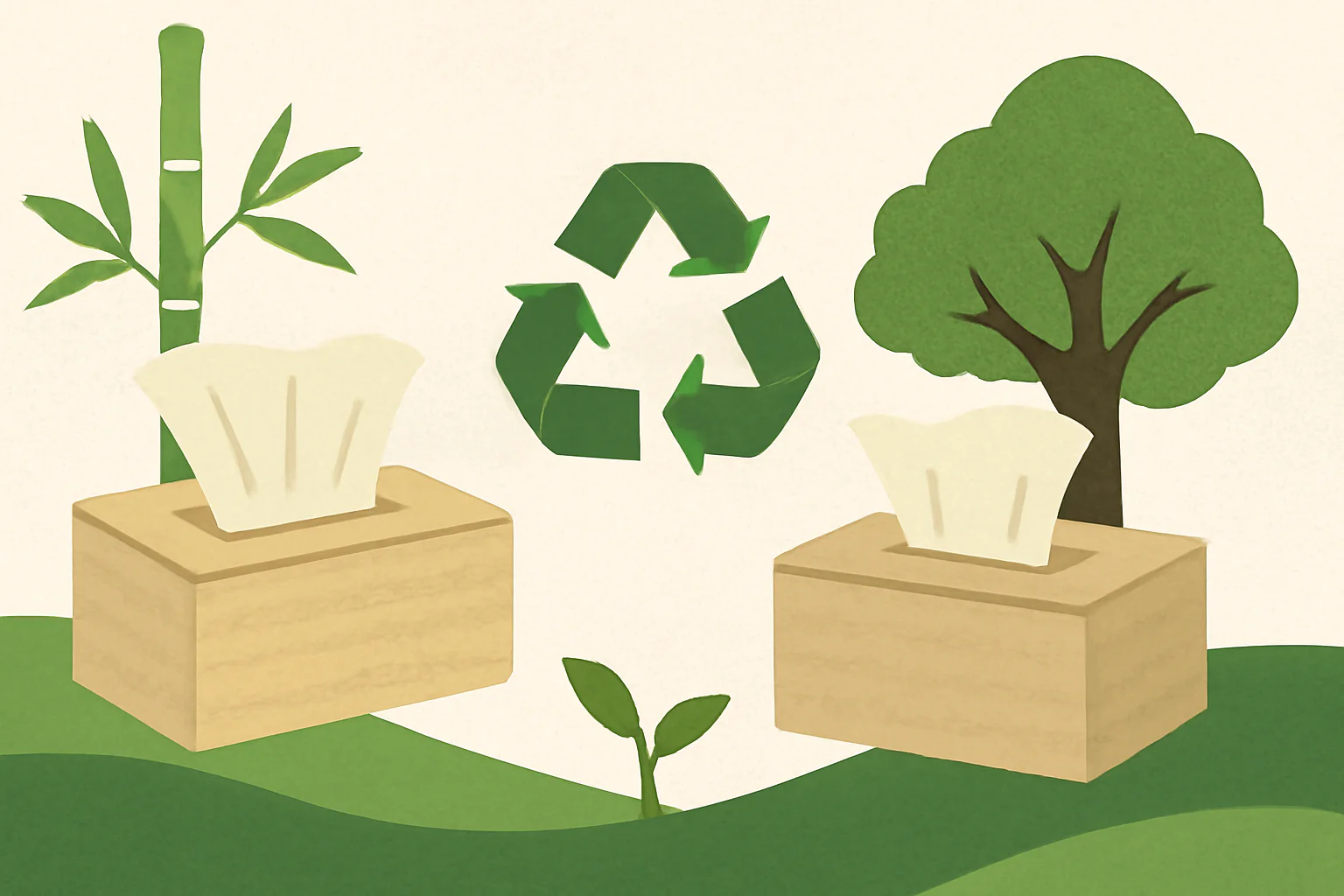
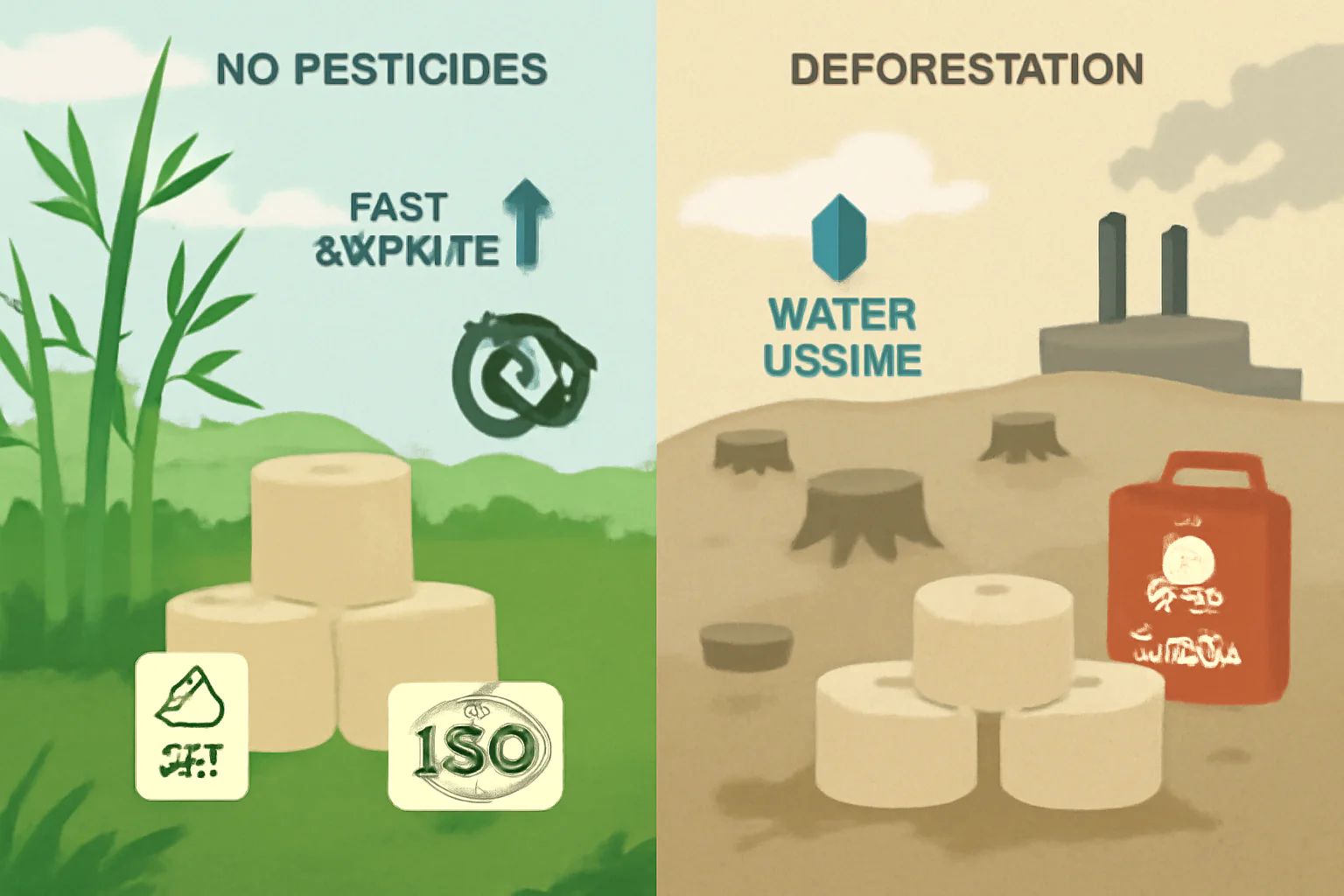
Bamboo fibre tissues are more eco-friendly because bamboo grows rapidly, requires no pesticides, and absorbs more CO₂ than trees. It’s biodegradable, uses less water, and helps reduce deforestation. Certified bamboo tissues meet international sustainability standards like FSC and ISO, making them ideal for environmentally conscious product lines.
So what makes bamboo tissues truly sustainable? Let’s explore how this fast-growing grass beats traditional wood pulp in both environmental impact and commercial value.
What are the environmental benefits of bamboo tissue?
Most wood pulp tissues are made from slow-growing trees that take decades to mature. That means forests are being cut down faster than they can regrow. This creates serious problems for climate and biodiversity.
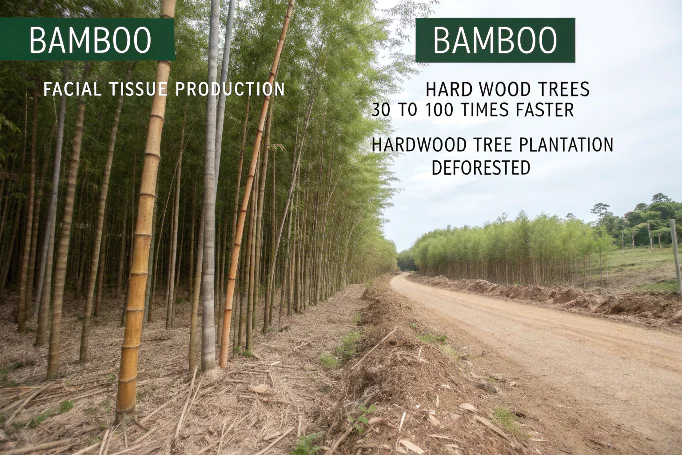
Bamboo grows 30 to 100 times faster than hardwood trees and reaches maturity in just 3–5 years. It regenerates naturally and does not require replanting.
Bamboo’s Key Environmental Benefits
| Feature | Bamboo Tissue | Wood Pulp Tissue |
|---|---|---|
| Growth Time | 3–5 years | 10–50 years |
| Harvesting | No replanting needed | Requires replanting |
| Fertilizers/Pesticides | Not needed | Often required |
| Carbon Absorption | High | Moderate |
| Land Use Efficiency | High yield per hectare | Lower yield |
I switched to bamboo-based facial tissue for one of my export clients in Dubai. Their branding emphasized eco-conscious values, and sales jumped after they highlighted these sustainability benefits on packaging.
Is bamboo toilet paper biodegradable?
Many buyers want biodegradable products—but don’t know what that really means. Some paper products claim to be green but contain chemicals or use mixed materials that don’t break down naturally.
100% bamboo toilet paper is fully biodegradable. It breaks down naturally in landfills, compost piles, and septic systems without releasing toxins.
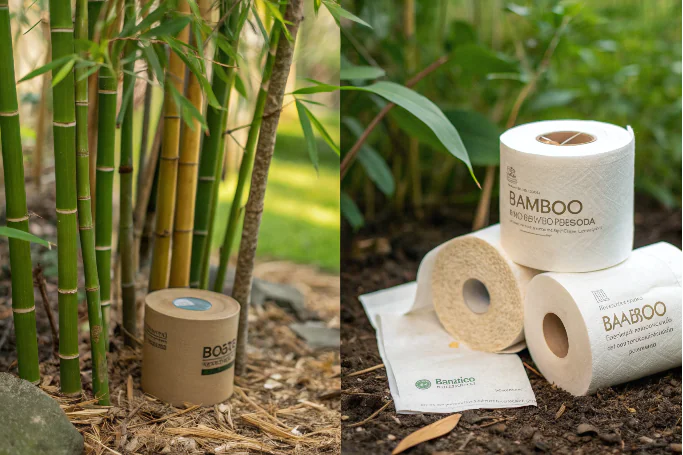
What Makes a Tissue Truly Biodegradable?
| Criteria | Bamboo Tissue | Conventional Tissue |
|---|---|---|
| Breaks down in soil | ✅ Yes | ✅ Yes |
| Breaks down in water | ✅ Yes | ✅ Yes |
| Chemical-free | ✅ Yes (when unbleached or chlorine-free) | ❌ Often bleached with chlorine |
| Microplastic content | ✅ None | ✅ None |
I always recommend clients ask for SGS or FDA test results before ordering. That ensures they are truly getting biodegradable bamboo toilet paper, not a blend or misleading product.
How does bamboo tissue compare to recycled tissue?
Some clients ask me: “Isn’t recycled paper more sustainable than bamboo?” It’s a fair question. The answer depends on the source and processing method.
Bamboo tissue has a lower carbon footprint than virgin pulp and is more hygienic than recycled tissue, which may contain ink residue and mixed fibres.
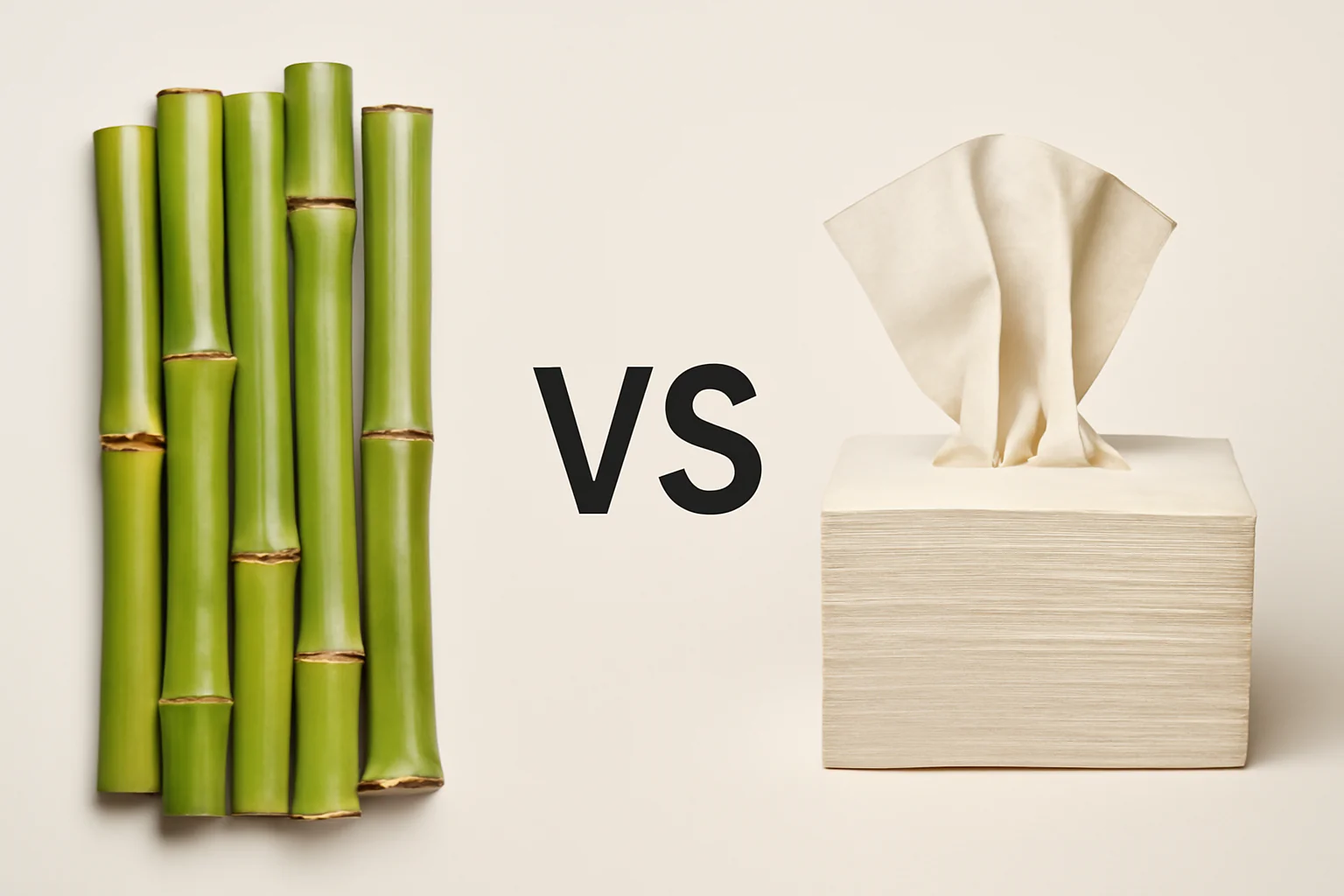
Bamboo vs Recycled Paper: The Comparison
| Feature | Bamboo Tissue | Recycled Tissue |
|---|---|---|
| Carbon Emissions | 30% less than wood pulp | Varies based on source |
| Chemical Use | Low | May contain ink/contaminants |
| Texture & Softness | Soft, premium feel | Often rough |
| Hygiene | Safe for sensitive skin | Not recommended for baby use |
For HORECA clients in Saudi Arabia and the UAE, I always suggest bamboo napkins over recycled ones. They're softer, cleaner, and better for brand image.
Is bamboo tissue safe for the environment?
Retailers worry about greenwashing. And they should. Not all bamboo tissue is actually eco-friendly. Some products come from plantations that replaced forests. That’s not sustainable.
Truly eco-friendly bamboo tissue is sourced from FSC-certified forests that follow responsible harvesting practices without harming ecosystems.
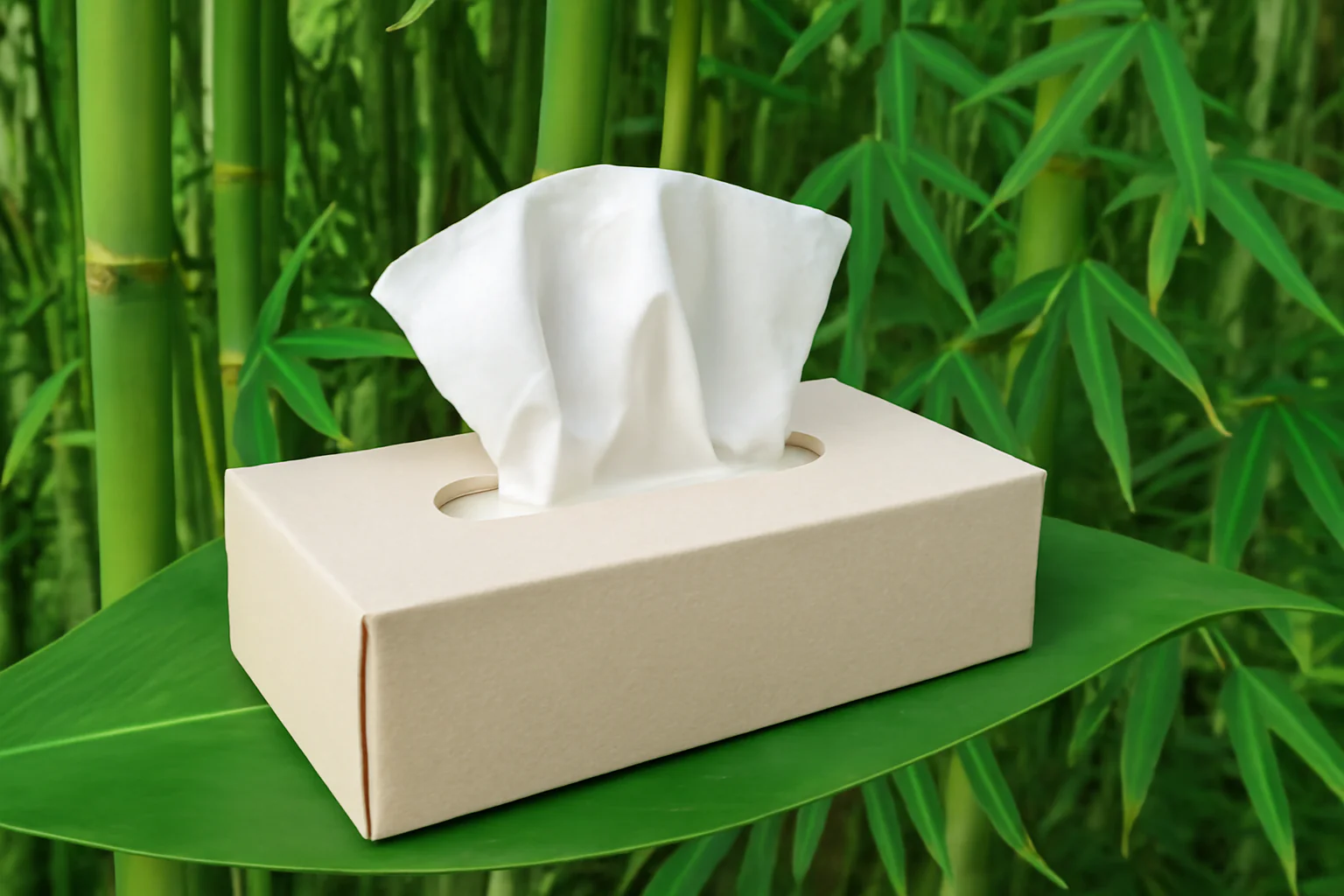
What Makes Bamboo Tissue Environmentally Safe?
| Safety Factor | Requirement |
|---|---|
| Forest Management | FSC-certified bamboo sources |
| Water Usage | Low during processing |
| Manufacturing Standards | ISO 14001 environmental management system |
| Transportation | Low-emission logistics preferred |
I once reviewed a supplier claiming “eco tissue” but had no certification. After requesting documentation, they disappeared. That’s a red flag. Always verify claims.
What certifications should eco-friendly bamboo tissues have?
Buyers often look at price first. But smart buyers look for third-party certifications. They prove you’re not just buying a product—you’re protecting your reputation.
The most important certifications are FSC for raw material sourcing, ISO 14001 for environmental management, and SGS for product safety.
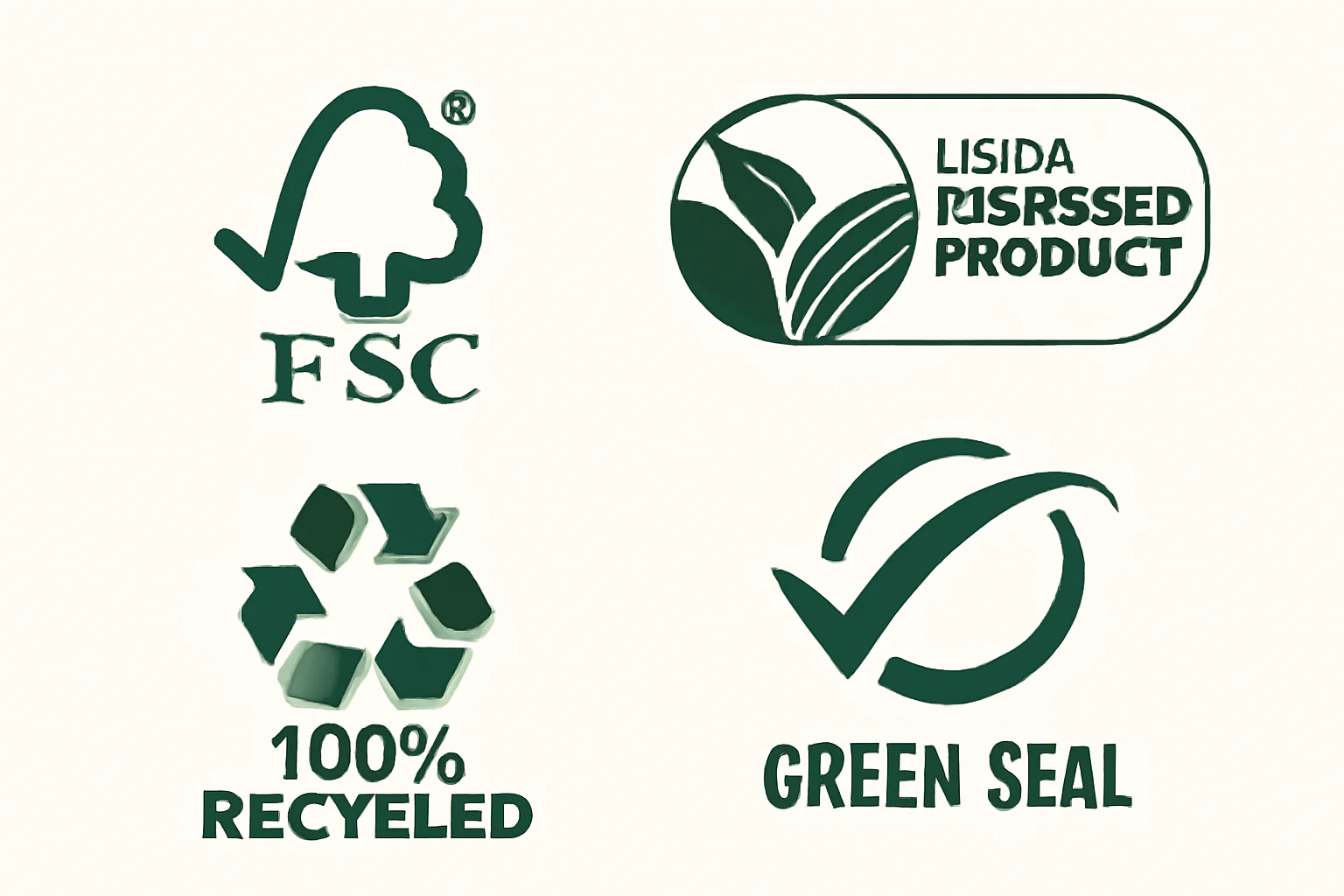
Top Certifications to Look For
| Certification | What It Confirms | Who Requires It |
|---|---|---|
| FSC | Bamboo harvested responsibly | Global retailers, EU markets |
| ISO 14001 | Environmental compliance in manufacturing | Most importers |
| SGS | Product tested for hygiene and safety | Middle Eastern importers |
| FDA | Safe for skin contact | Baby product sellers |
I always include scanned certificates with every quote. If the factory can’t provide these, I don’t include them in my short list.
Who is the best sustainable facial tissue paper manufacturer?
The market is full of “green” suppliers. But not all have their own factory, real certifications, or customization capacity. This matters if you're buying at scale.
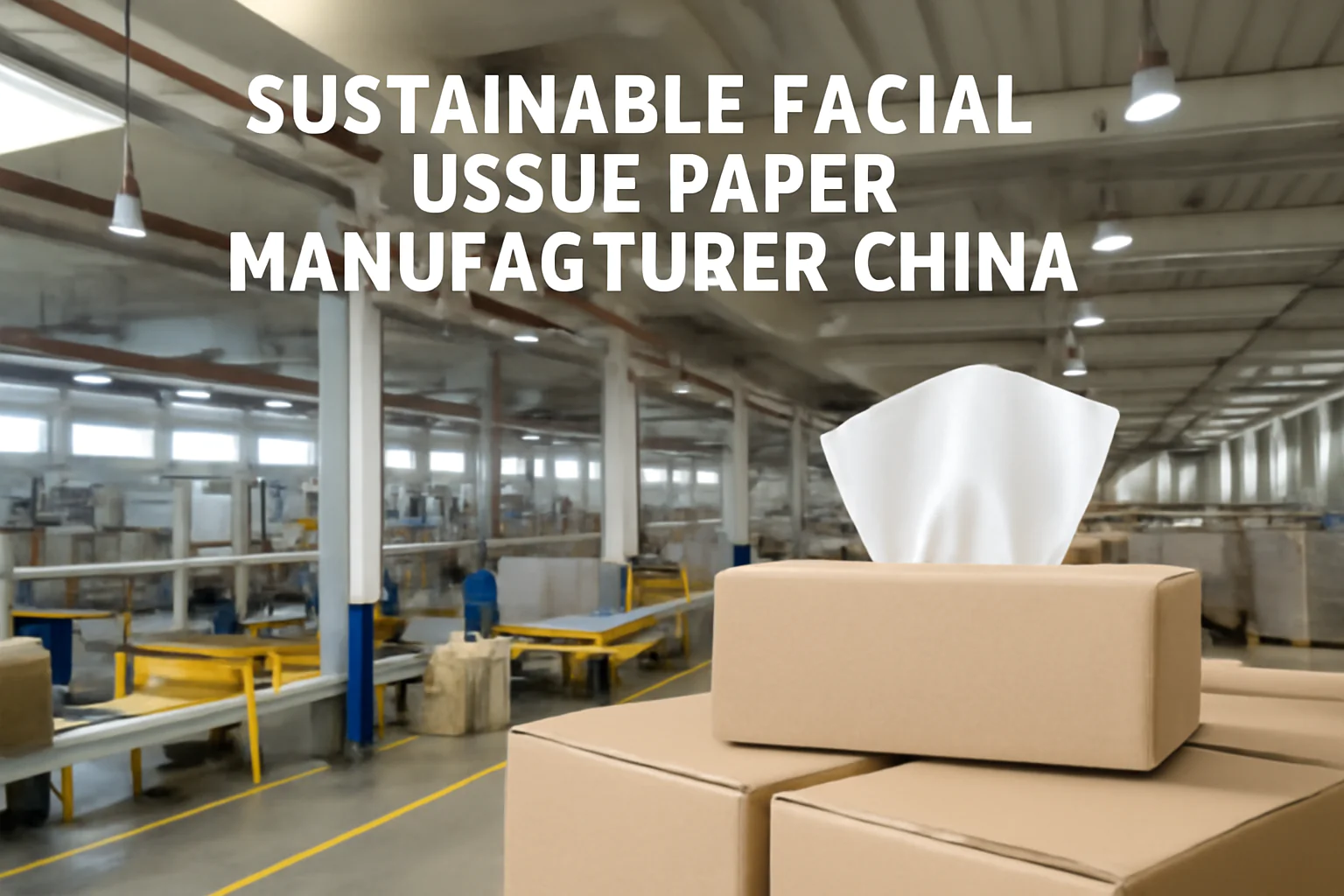
A good sustainable facial tissue paper manufacturer will offer FSC-certified bamboo, low MOQs, packaging design, and product testing—plus strong export experience.
Questions I Ask Before Choosing a Supplier:
- Do you use 100% bamboo or a mix?
- Do you hold valid FSC/ISO certificates?
- Can you print Arabic or multilingual packaging?
- Can I visit the factory or request a video tour?
- What is your MOQ and lead time for custom orders?
For example, at Baoding Yibao Cleaning Products Co., Ltd., we offer certified bamboo fibre tissues, design packaging in Arabic, and provide low MOQs for new clients. Our products meet EU and GSO standards and are suitable for retailers, hotels, and supermarket buyers across the Middle East.
Are biodegradable bamboo napkins suitable for retail?
Many retailers hesitate to introduce eco-friendly napkins, worrying they’re too niche or too expensive. But market data shows that consumers are willing to pay more for eco alternatives.
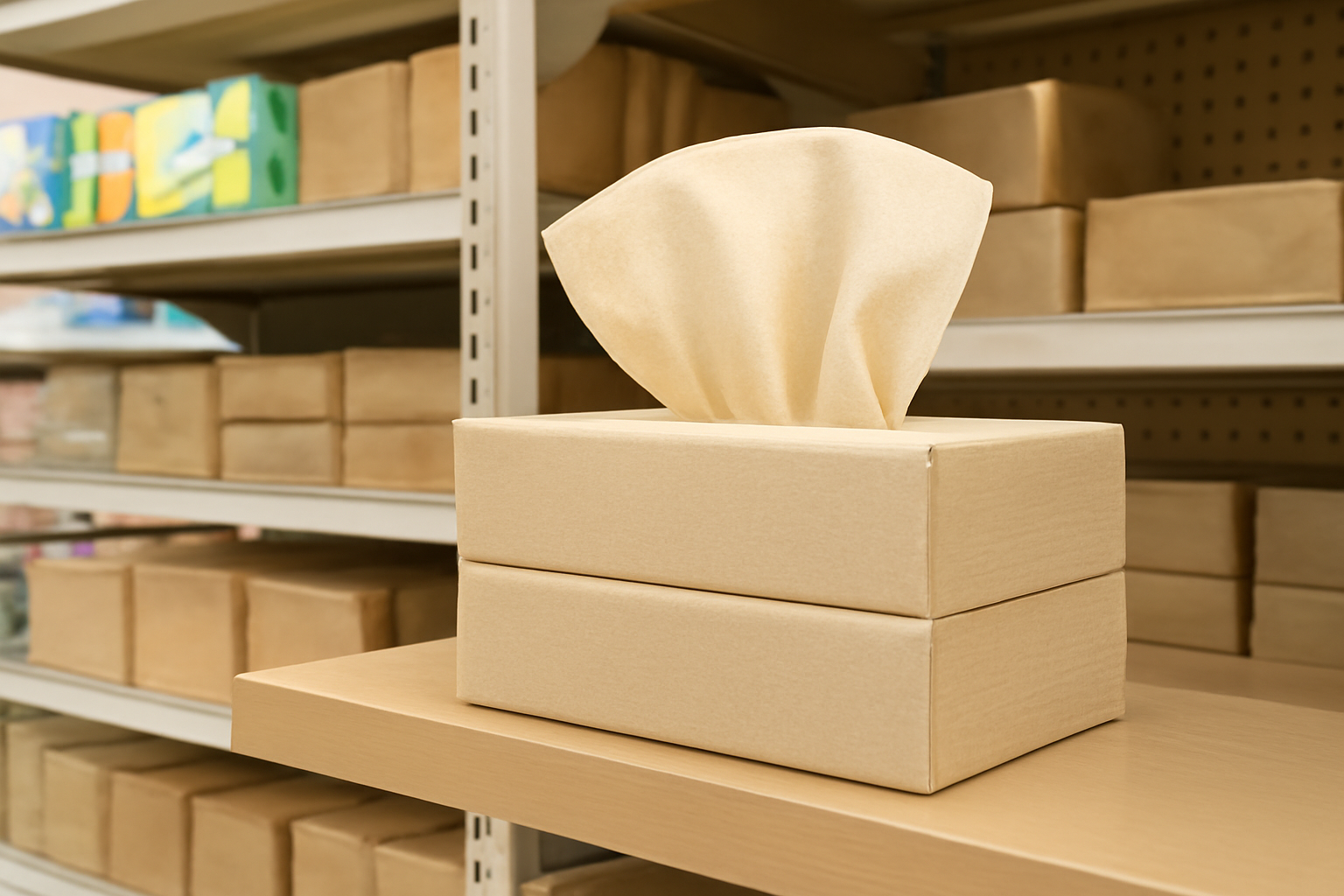
Biodegradable bamboo napkins are a great fit for retail shelves—they’re premium, safe, and appeal to customers who care about the planet.
Why Retailers Should Stock Bamboo Napkins
| Feature | Benefit |
|---|---|
| Soft yet strong | Ideal for restaurant or home use |
| Attractive packaging | Good for gift sets or seasonal promos |
| Eco messaging | Boosts brand image |
| Shelf-ready designs | Custom sizing for supermarkets |
We’ve helped clients in Doha and Riyadh develop napkin packaging for Ramadan promotions and national holidays. These products moved fast and helped raise their eco profile.
Conclusion
Bamboo fibre tissues aren’t just a trend—they’re a measurable improvement over wood pulp. Make the switch now and show your customers you care about sustainability.
Share this article
About the Author

You might also like
Why Are Bamboo Fibre Tissue Manufacturers with Low MOQs Better Suited for Small and Medium-Sized Wholesalers?

Why Is Demand for Bamboo Fibre Toilet Paper Growing Rapidly in the US Market?

How to Determine Whether a Bamboo Fibre Tissue Manufacturer Possesses Long-Term Supply Capability?

Why Are Soft Pack Facial Tissues Gaining Popularity in Hotels and Restaurants?
How Can Customized Soft Pack Facial Tissues Boost Your Brand’s Image?
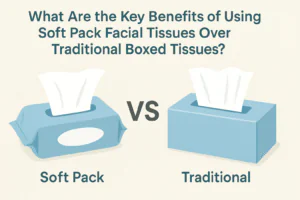
What Are the Key Benefits of Using Soft Pack Facial Tissues Over Traditional Boxed Tissues?
Is There a Market Demand for Eco-Friendly Soft Pack Facial Tissues in the Middle East?
What Should Wholesalers Look for in a Reliable Soft Pack Facial Tissue Manufacturer?

Can Soft Pack Facial Tissues Be Customized for Religious and Holiday Events?