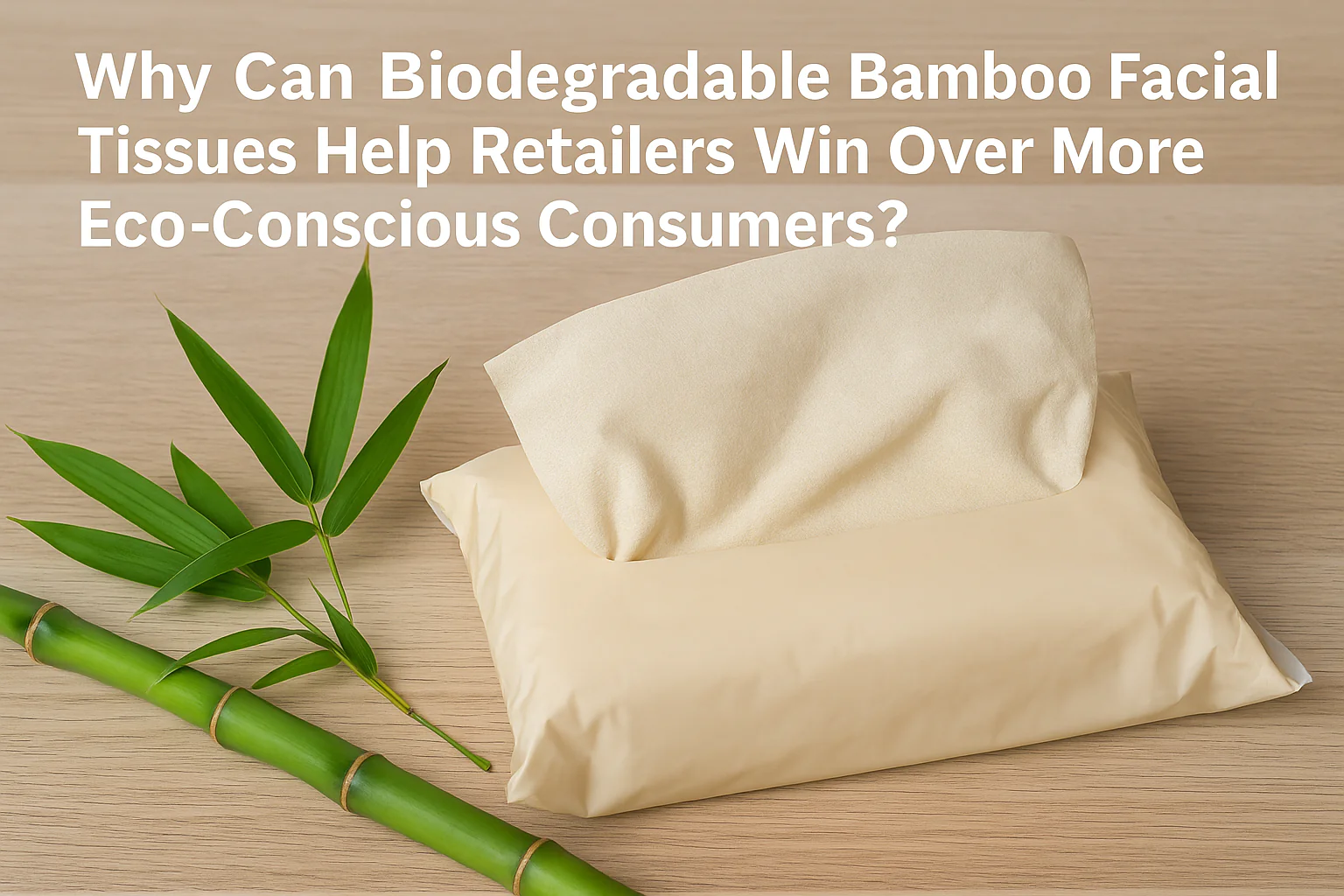
Why Can Biodegradable Bamboo Facial Tissues Help Retailers Win Over More Eco-Conscious Consumers?
Retailers are under pressure to stock greener products. Eco-conscious consumers are actively switching brands. Biodegradable bamboo tissue offers the environmental story and shelf appeal needed to win loyalty—and margins.
Biodegradable bamboo facial tissue[^1] appeals to eco-conscious consumers due to its compostability[^2], low carbon footprint[^3], and renewable sourcing[^4]. It helps retailers align with green values, attract high-spending demographics, and meet ESG targets. Certified eco-friendly tissue[^5] builds brand trust, especially among Millennials and Gen Z[^6] who prioritize sustainability over price.
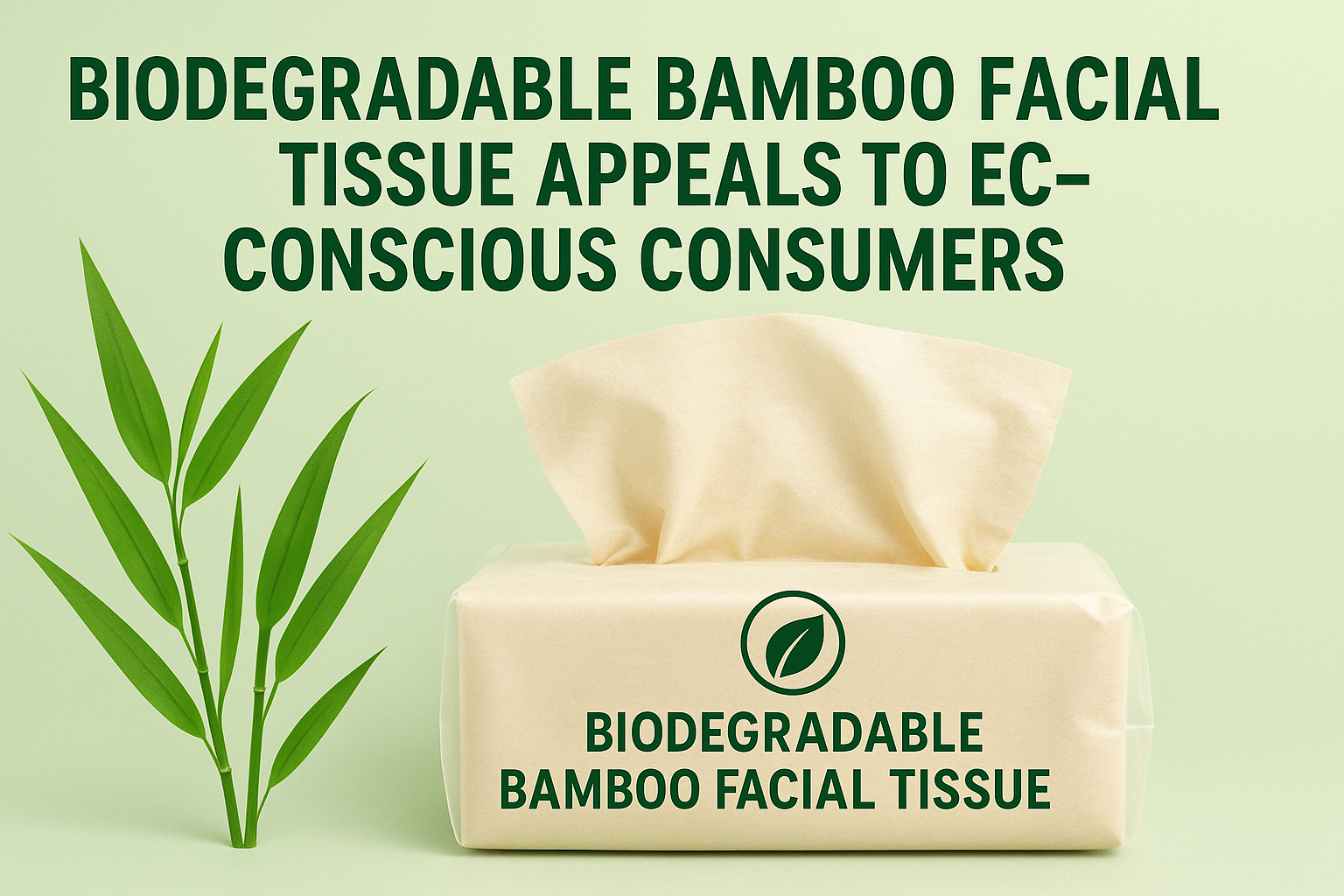
Let’s explore how biodegradable bamboo facial tissue supports both sustainability goals and retail strategy—from environmental benefits to marketing performance in-store and online.
Why do eco-conscious consumers prefer biodegradable bamboo tissue[^7]?
Consumers are paying attention to what goes into their baskets—and where it ends up after use. Products that decompose naturally and don’t pollute are now a clear preference.
Biodegradable bamboo facial tissue[^1] breaks down quickly in landfills or compost bins, leaving no toxic trace. This meets the values of eco-focused shoppers looking to reduce personal waste.
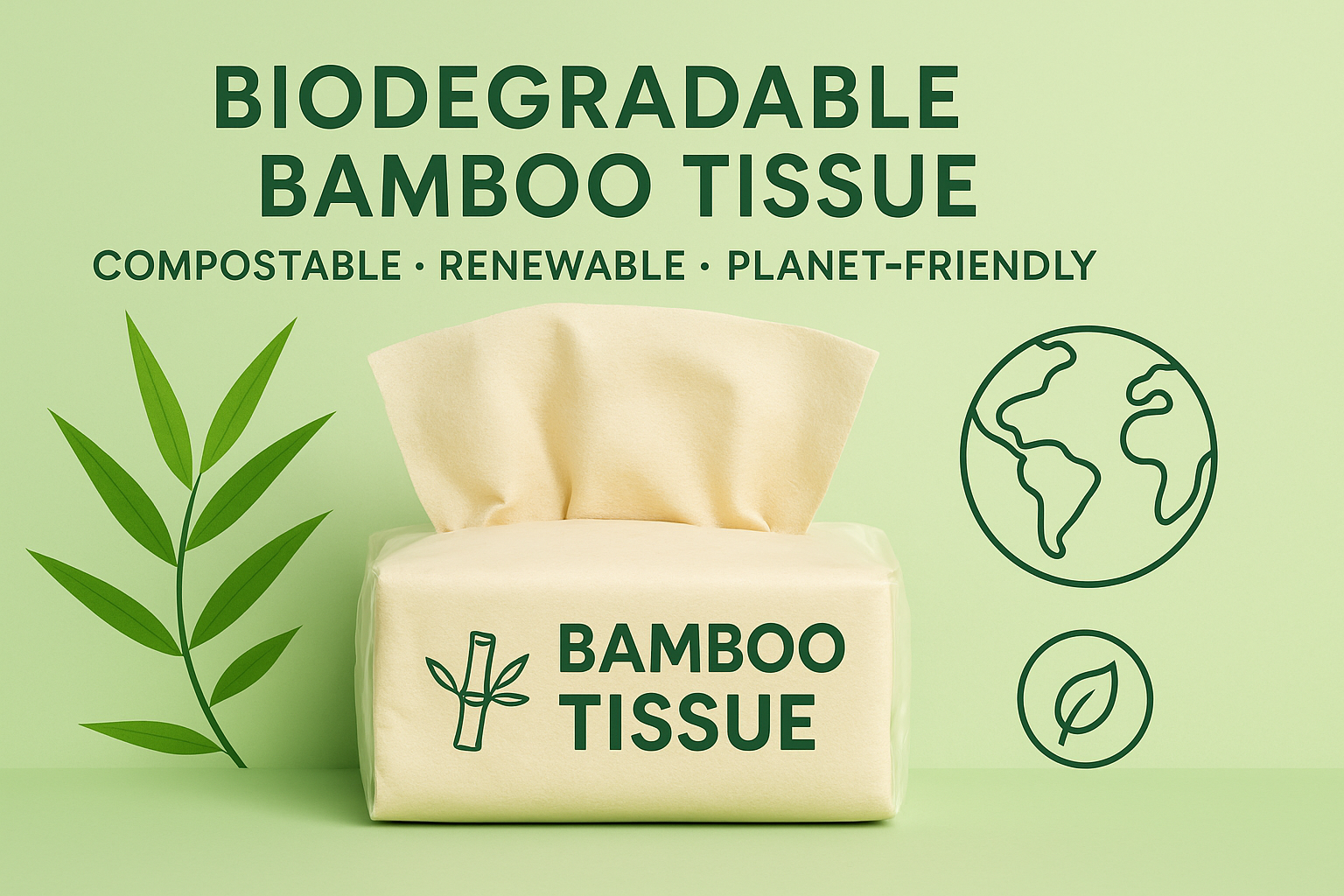
What Matters to Eco Shoppers
| Factor | Impact |
|---|---|
| Plastic-free packaging | Reduces landfill waste |
| No bleach/chlorine | Safer for skin and water systems |
| Natural bamboo pulp | 100% biodegradable in weeks |
| Minimal ink printing | Enhances compostability[^2] |
Retailers who adopt biodegradable bamboo SKUs report stronger repeat purchase rates in organic, zero-waste, and vegan product categories.
How does bamboo toilet paper[^8] reduce environmental impact?
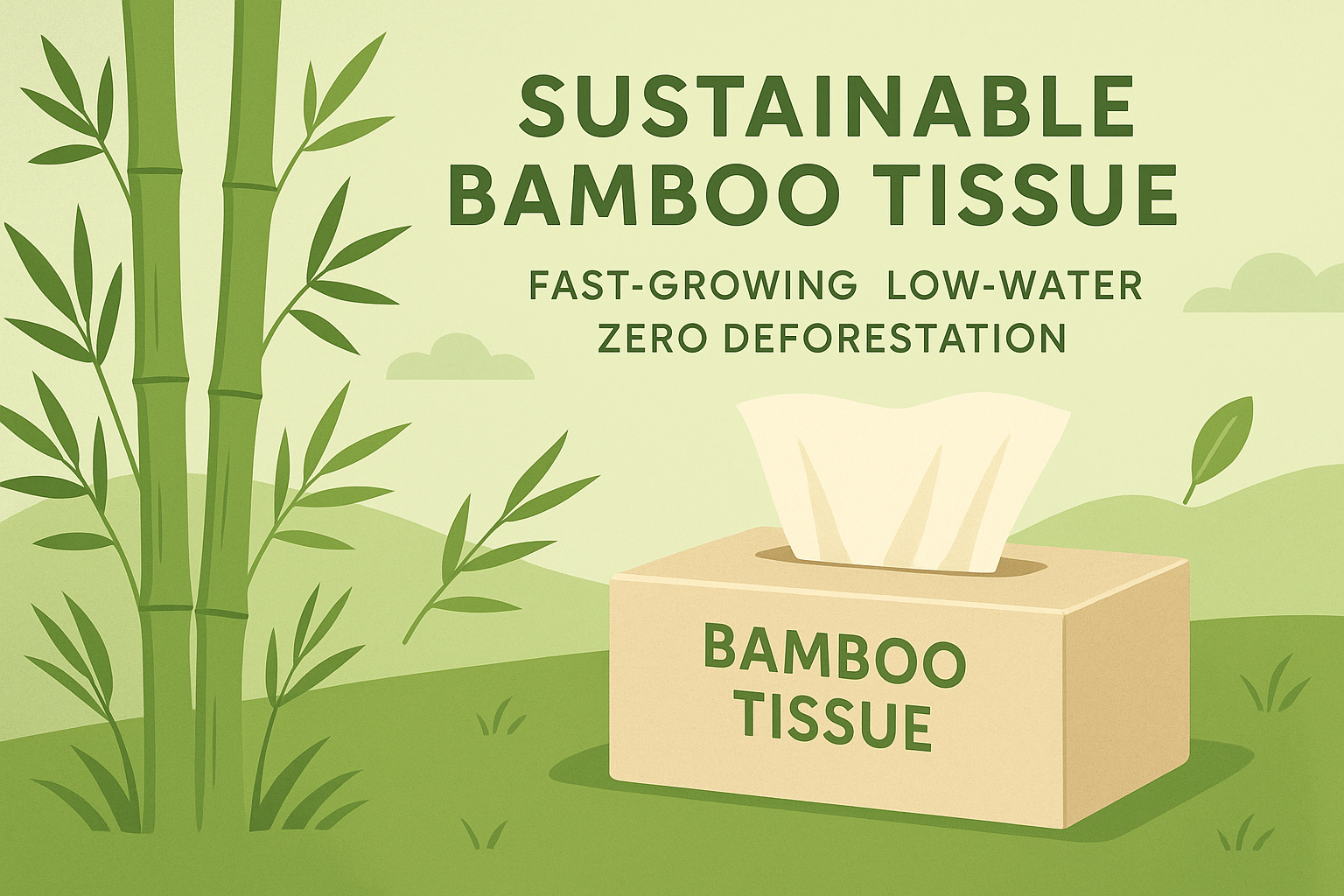
Unlike traditional wood pulp, bamboo doesn’t cause deforestation. It grows faster, uses less water, and regenerates naturally—making it a lower-impact material from field to shelf.
Sustainable bamboo tissue for retailers offers a smaller carbon footprint, better land efficiency, and no reliance on slow-growing forests. It’s a renewable answer to deforestation-heavy paper production.
Environmental Comparison
| Criteria | Bamboo Tissue | Traditional Tissue (Wood) |
|---|---|---|
| Growth cycle | 3–5 years | 20–50 years |
| Water usage | Low | High |
| Replanting required | No | Yes |
| Deforestation risk | None | High |
| Biodegradability | Fast | Moderate |
For brands aiming to lower Scope 3 emissions[^10], switching to bamboo-based paper products is a clear and actionable step.
Are biodegradable tissues a better retail strategy than recycled paper?
Yes—and here’s why. Recycled paper often requires more energy and chemicals to process, and consumers are beginning to notice the difference in product feel and performance.
Bamboo toilet paper combines softness with sustainability, offering a premium feel that recycled paper often lacks—while still meeting the biodegradability and low-impact criteria consumers care about.
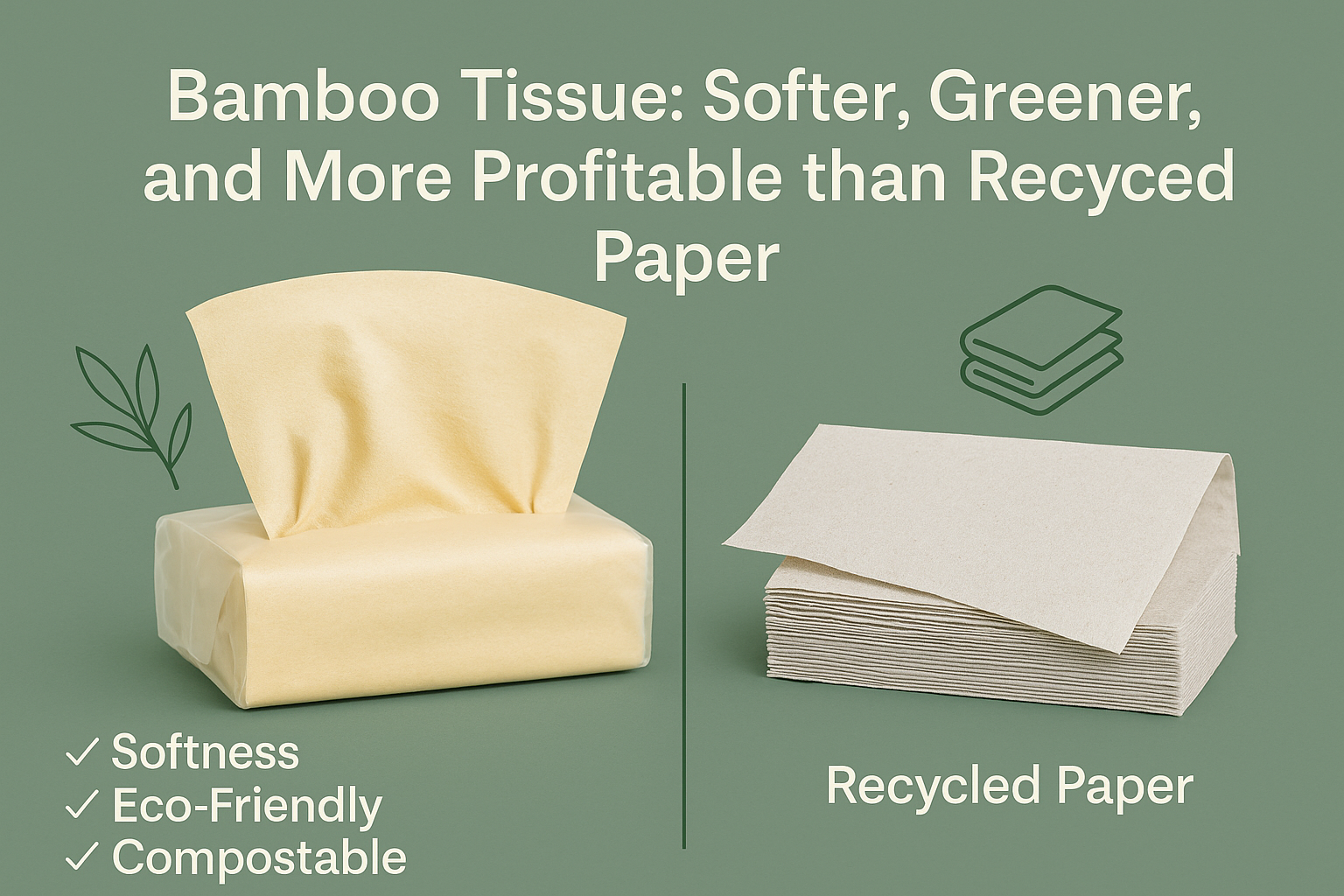
Bamboo vs. Recycled Tissue – Retail Perspective
| Factor | Bamboo Tissue | Recycled Paper |
|---|---|---|
| Softness | High | Medium to Low |
| Eco-perception | High (tree-free) | Moderate |
| Processing chemicals | Minimal | Often higher |
| Compostable? | Yes | Sometimes |
| Shelf appeal | Premium look & feel | Basic |
Retailers in Europe and Australia are seeing stronger margins with bamboo-branded SKUs than with budget-positioned recycled paper.
What eco-certifications[^11] support bamboo tissue credibility?
Certifications matter. Consumers rely on them to cut through greenwashing, and retailers need them to meet internal and regulatory ESG targets.
Biodegradable bamboo tissue is commonly certified by FSC, ISO, EU Ecolabel, and GSO—helping buyers ensure authenticity and build trust in-store and online.
%(eco-certified bamboo tissue)alt with keywords
Recommended Certifications
| Certification | What It Ensures |
|---|---|
| FSC | Sustainable forest management & sourcing |
| EU Ecolabel | Low-impact production standards |
| ISO 14001 | Environmental management systems |
| GSO (GCC) | Regional compliance for Middle East exports |
| FDA (USA) | Skin-safe, food-contact safe paper products |
At Baoding Yibao, we provide full documentation for all major certifications—making it easy for retailers to validate claims and reduce audit risk.
How can retailers market sustainable bamboo tissue effectively?
Sustainability alone doesn’t sell—storytelling does. Retailers need to showcase the "why" behind bamboo tissue clearly across their shelf, online product pages, and packaging.
Successful eco-tissue brands use visual icons, impact metrics, and sustainability stories to help shoppers make informed, values-aligned purchases.
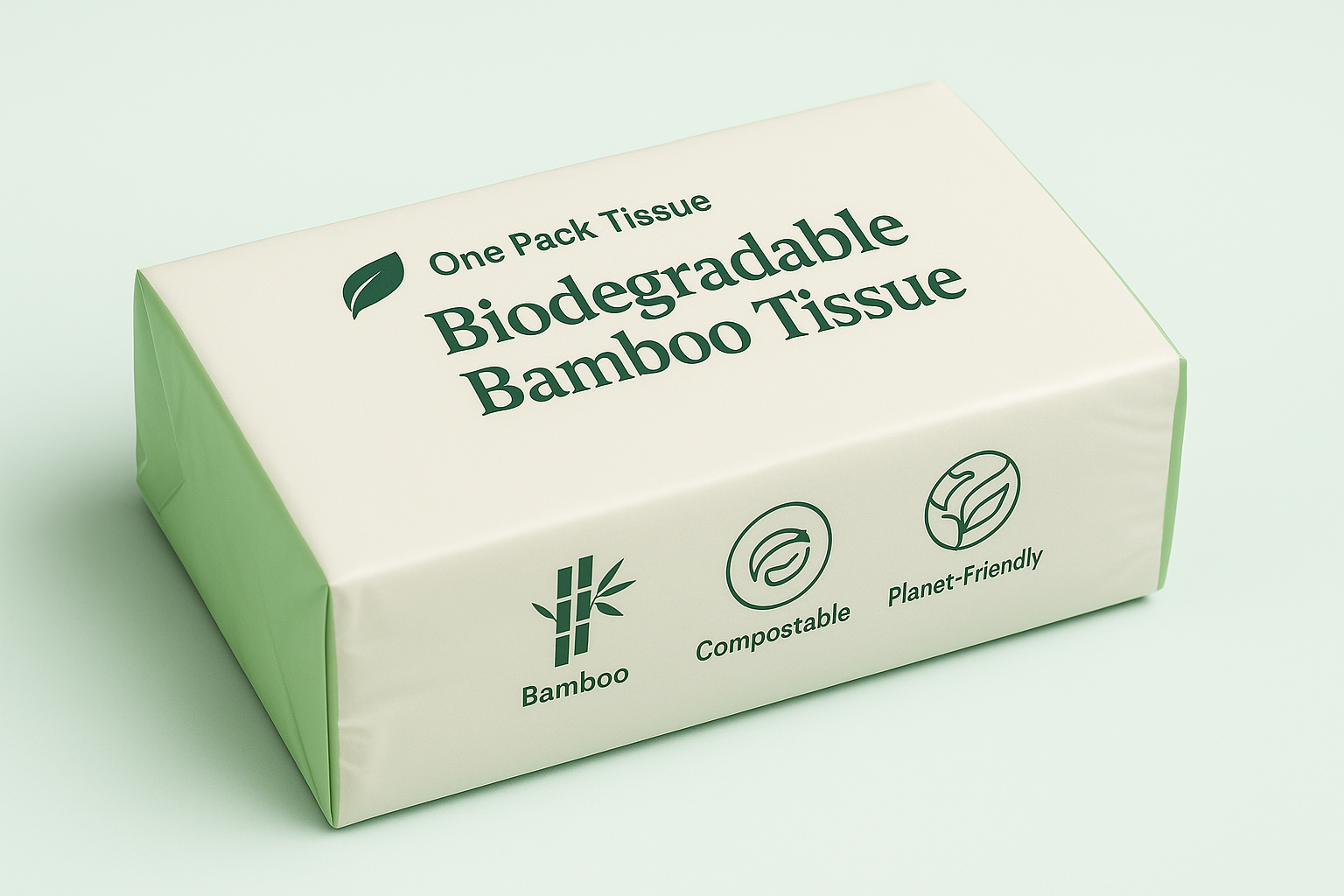
High-Impact Retail Strategies
| Tactic | Execution Example |
|---|---|
| Front-of-pack icons | “100% Biodegradable,” “Plastic-Free” |
| Carbon savings claims | “Saves 80% CO₂ vs. wood pulp” |
| QR code to story page | Factory sourcing, FSC certificate |
| Multi-language packaging | Appeals to diverse urban audiences |
| Retail shelf signage | “Tree-Free Alternative,” “Compostable Tissue” |
We work with supermarkets that pair bamboo tissue with seasonal eco-campaigns and bundle it with green household product lines to maximize conversion.
Conclusion
Bamboo tissue isn’t just biodegradable—it’s brandable. With the right positioning, it helps retailers stand out, earn loyalty, and tap into the fastest-growing segment of eco-driven consumers.
[^1]: Discover how biodegradable bamboo facial tissue can enhance sustainability and attract eco-conscious consumers.
[^2]: Learn about the significance of compostability in products and how it impacts consumer choices.
[^3]: Explore the implications of a low carbon footprint and its importance in sustainable product choices.
[^4]: Understand the advantages of renewable sourcing and its role in promoting sustainability.
[^5]: Find out which certifications ensure that tissue products are genuinely eco-friendly and trustworthy.
[^6]: Discover the purchasing power of Millennials and Gen Z and their impact on sustainability in retail.
[^7]: Learn about the unique benefits of biodegradable bamboo tissue for both consumers and retailers.
[^8]: Learn why bamboo toilet paper is considered a more sustainable option compared to traditional paper.
[^9]: Explore how sustainable bamboo tissue can enhance retail strategies and attract eco-conscious shoppers.
[^10]: Understand Scope 3 emissions and discover actionable steps for brands to minimize their environmental impact.
[^11]: Explore the key eco-certifications that help consumers identify truly sustainable products.
Share this article
About the Author

You might also like
Why Are Bamboo Fibre Tissue Manufacturers with Low MOQs Better Suited for Small and Medium-Sized Wholesalers?

Why Is Demand for Bamboo Fibre Toilet Paper Growing Rapidly in the US Market?

How to Determine Whether a Bamboo Fibre Tissue Manufacturer Possesses Long-Term Supply Capability?

Why Are Soft Pack Facial Tissues Gaining Popularity in Hotels and Restaurants?
How Can Customized Soft Pack Facial Tissues Boost Your Brand’s Image?
What Are the Key Benefits of Using Soft Pack Facial Tissues Over Traditional Boxed Tissues?

Is There a Market Demand for Eco-Friendly Soft Pack Facial Tissues in the Middle East?

What Should Wholesalers Look for in a Reliable Soft Pack Facial Tissue Manufacturer?

Can Soft Pack Facial Tissues Be Customized for Religious and Holiday Events?