Why Is Demand for Bamboo Fibre Toilet Paper Growing Rapidly in the US Market?
Tree-based toilet paper is facing backlash. American consumers—and retailers—are demanding sustainable, tree-free options. Bamboo tissue is rising fast, and this shift isn’t just a trend—it’s a market shift.
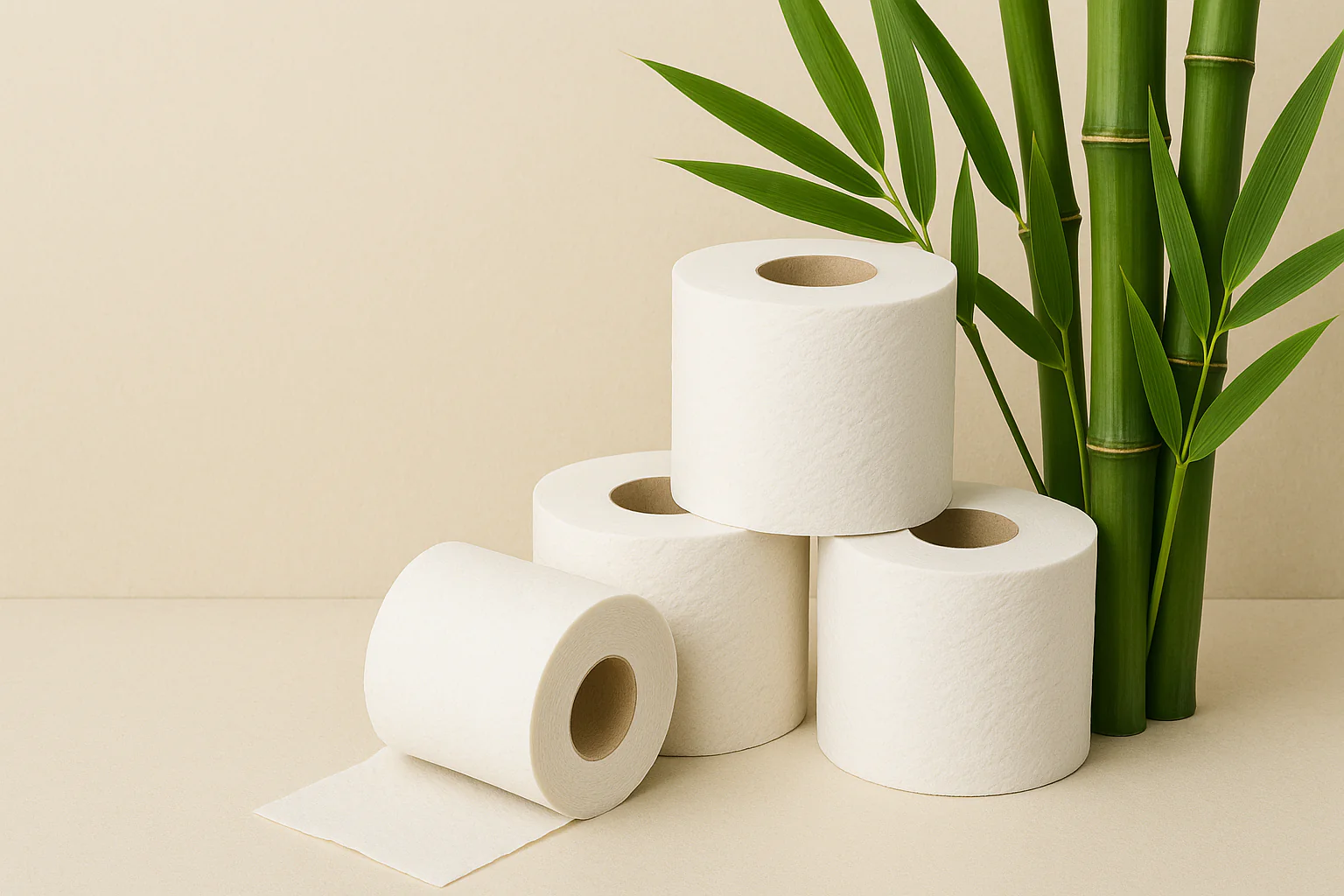
Demand for bamboo toilet paper[^1] in the US is growing due to rising eco-conscious consumer behavior, pressure for sustainable retail products[^2], city-level regulations, and supply chain shifts. Bamboo pulp is tree-free, fast-growing, biodegradable[^3], and ideal for private-label brands[^4] seeking eco-friendly positioning[^5] in competitive U.S. retail environments.
Let’s explore the major trends fueling this rise—from consumer values and regulatory changes to retail innovation and private label expansion.
Why is bamboo toilet paper[^1] becoming popular in the U.S.?
For decades, tree pulp dominated the tissue market. But now, U.S. shoppers are more informed—and more environmentally conscious than ever.
Bamboo toilet paper is gaining popularity because it's tree-free, plastic-free, and aligns with sustainability-focused consumer values in the USA.
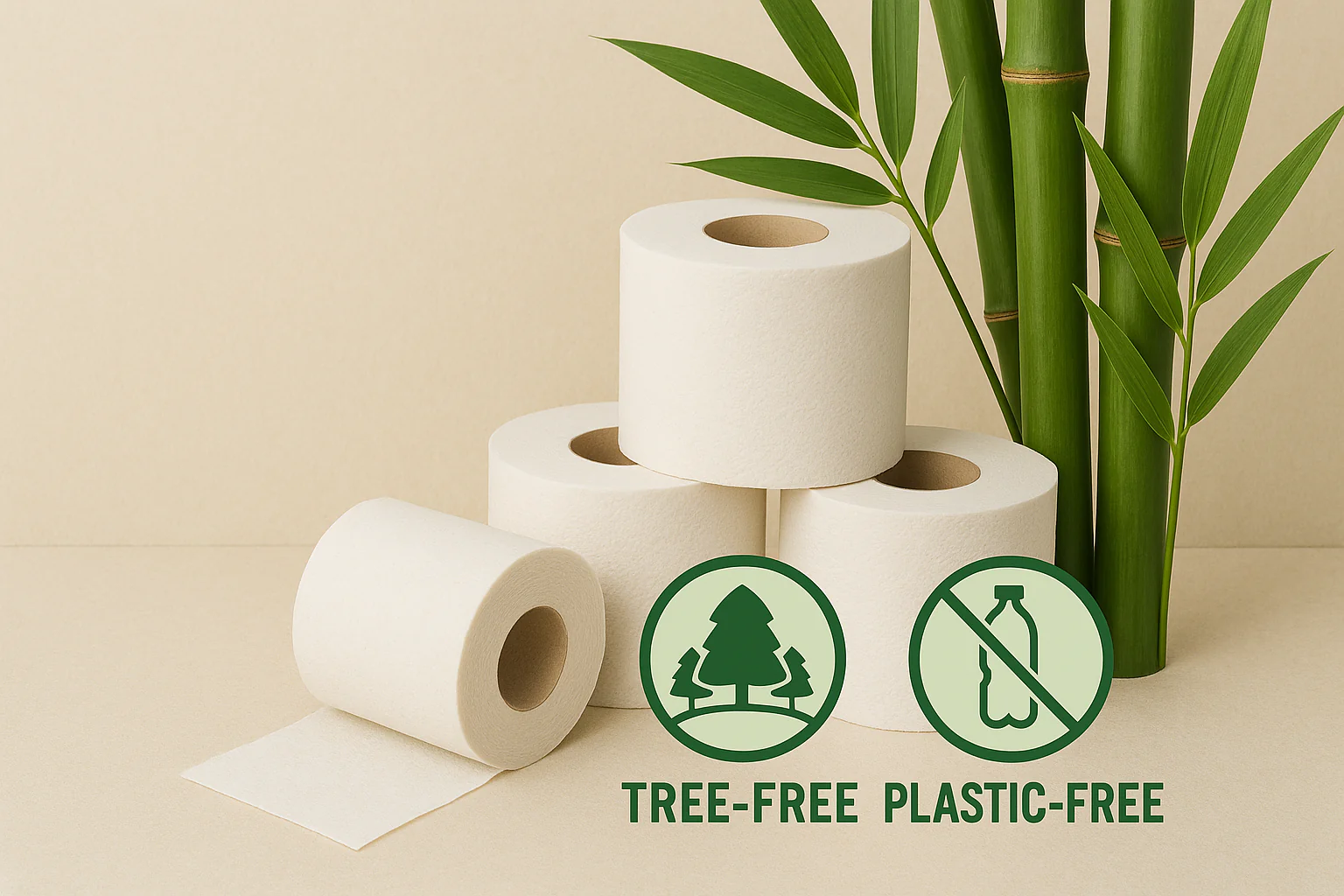
Key Growth Factors
| Driver | Impact on Bamboo TP Growth |
|---|---|
| Climate change awareness | Consumers seek low-carbon options |
| Plastic packaging bans | Boosts demand for eco packaging |
| Tree pulp criticism (NRDC) | Puts pressure on legacy brands |
| Social media influencers | Educate buyers on bamboo alternatives |
Many eco-focused retailers are now shifting shelf space to bamboo fibre tissue—and including it in “green aisle” assortments.
Is bamboo toilet paper[^1] actually better for the environment?
Yes—and the data backs it. Bamboo grows faster, requires less water, and regenerates naturally without replanting. It’s one of the most renewable resources used in paper production today.
Compared to wood pulp, bamboo toilet paper[^1] uses less water, grows without pesticides, and causes no deforestation—making it a top sustainable alternative in tissue manufacturing.
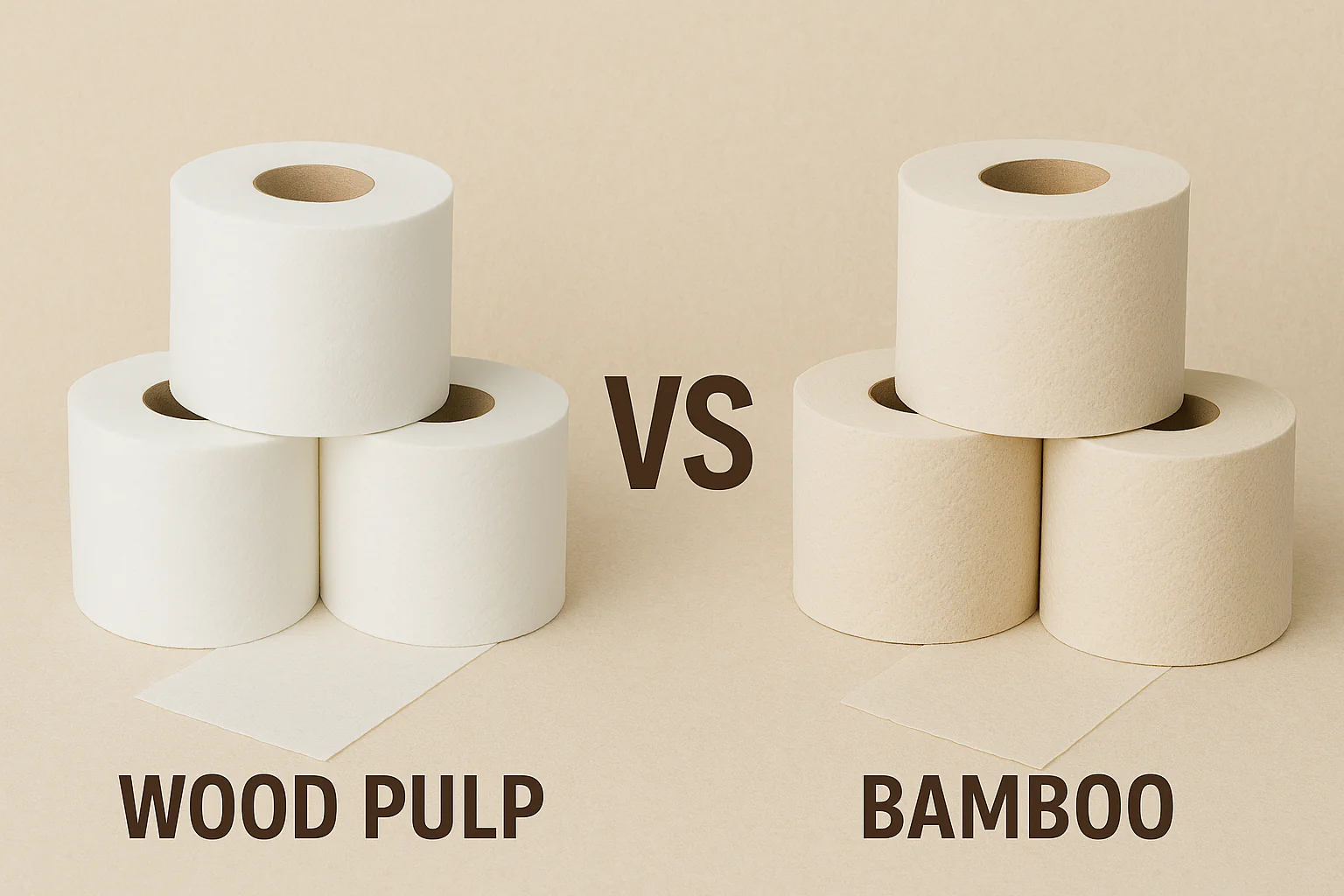
Bamboo vs Tree-Based Toilet Paper
| Factor | Bamboo Toilet Paper | Wood Pulp Toilet Paper |
|---|---|---|
| Growth cycle | 3–5 years | 20–50 years |
| Replanting needed | No (self-regenerating) | Yes |
| Chemical usage | None required | Often needed |
| CO₂ absorption | High | Moderate |
| Biodegradability | Fast | Medium |
Some cities and school districts in the U.S. have already started phasing out wood pulp toilet paper in favor of tree-free alternatives.
Are U.S. retailers launching their own bamboo toilet paper[^1] brands?
Absolutely. As margins tighten and ESG goals take center stage, private label bamboo toilet paper[^1] has become a hot category.
Many U.S. retailers are introducing their own eco-friendly bamboo toilet paper[^6]r](https://www.reelpaper.com/blogs/reel-talk/pros-and-cons-of-bamboo-toilet-paper?srsltid=AfmBOopZN2J3VKxKbyA-FqYCXupNmkWSWdIvaCBnDxxPC_UZ_UsxMg08)[^1] SKUs—often manufactured by OEM/ODM partners from Asia with low MOQs and private labeling support.
Examples of Private Label Bamboo TP
| Retailer | Product Line | Notes |
|---|---|---|
| Whole Foods Market | 365 Eco Soft Bamboo TP | FSC-certified, U.S. bestseller |
| Thrive Market | Thrive Bamboo Toilet Paper | Subscription model |
| Walmart.com Sellers | White-label bamboo brands | Import-based |
| Amazon Sellers | Custom OEM bamboo lines | Fast growth in 2023–2024 |
The US private label boom[^7] is driving steady demand for certified bamboo tissue suppliers with quick turnaround and bilingual packaging.
Is bamboo toilet paper[^1] more expensive than regular toilet paper?
Yes, but it’s not a dealbreaker. And in many cases, customers are willing to pay for the premium.
Bamboo toilet paper is priced 15–30% higher than conventional options, but eco-minded shoppers are proving more loyal and less price-sensitive.
Consumer Price Sensitivity (2024 Data)
| Shopper Segment | Willing to Pay More? | Reason |
|---|---|---|
| Eco-conscious families | ✅ Yes | Sustainable lifestyle choice |
| Gen Z & Millennials | ✅ Yes | Brand values & social proof |
| Budget shoppers | ❌ Not usually | Choose recycled or store brands |
Retailers are using loyalty discounts, bundling, and branding to keep conversion high—despite the higher cost per roll.
What does this trend mean for bamboo toilet paper[^1] manufacturers?
It means opportunity—but only for those who can adapt to the U.S. market’s needs.
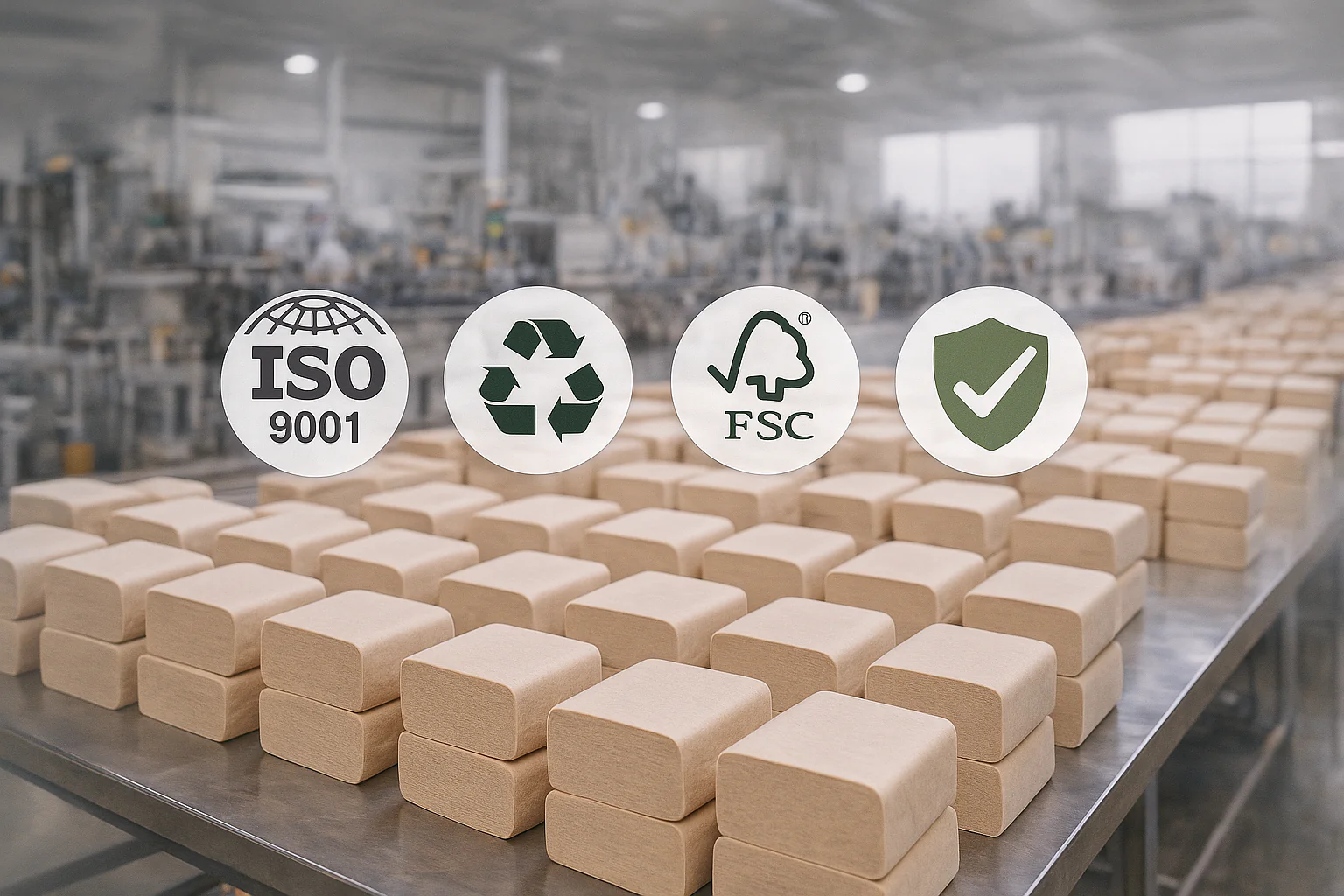
Bamboo toilet paper manufacturers must offer low MOQs, flexible packaging, U.S.-compliant labeling, and third-party certifications[^8] (FSC, ISO, FDA) to compete.
U.S. Buyer Expectations in 2025
| Expectation | What Manufacturers Must Provide |
|---|---|
| Private label packaging | Full design support in English |
| Small test orders | MOQ of 2,000–5,000 rolls per SKU |
| Fast lead time | 20–30 days average |
| Eco certification | FSC, ISO 14001, FDA skin-safe |
| Multichannel support | For retail, DTC, and Amazon sellers |
At Baoding Yibao, we already serve U.S. buyers looking for private label bamboo toilet paper[^1] USA with full OEM support, FDA compliance, and dual-language design.
Conclusion
Bamboo toilet paper isn’t just green—it’s strategic. As U.S. demand rises, suppliers offering certified, flexible, private-label options will lead the next chapter of sustainable tissue in America.
[^1]: Explore the advantages of bamboo toilet paper, including its sustainability and eco-friendliness.
[^2]: Discover various sustainable retail products that align with eco-conscious consumer behavior.
[^3]: Get insights into biodegradable products and their environmental impact.
[^4]: Understand the concept of private-label brands and how they can benefit retailers.
[^5]: Learn strategies for brands to position themselves as eco-friendly in competitive markets.
[^6]: Explore the eco-friendly attributes of bamboo toilet paper compared to traditional options.
[^7]: Learn about the US private label boom and its impact on the retail market.
[^8]: Explore the importance of third-party certifications for product credibility and trust.
Share this article
About the Author

You might also like
Why Are Bamboo Fibre Tissue Manufacturers with Low MOQs Better Suited for Small and Medium-Sized Wholesalers?

How to Determine Whether a Bamboo Fibre Tissue Manufacturer Possesses Long-Term Supply Capability?

Why Are Soft Pack Facial Tissues Gaining Popularity in Hotels and Restaurants?
How Can Customized Soft Pack Facial Tissues Boost Your Brand’s Image?
What Are the Key Benefits of Using Soft Pack Facial Tissues Over Traditional Boxed Tissues?
Is There a Market Demand for Eco-Friendly Soft Pack Facial Tissues in the Middle East?
What Should Wholesalers Look for in a Reliable Soft Pack Facial Tissue Manufacturer?

Can Soft Pack Facial Tissues Be Customized for Religious and Holiday Events?

Why Are Soft Pack Facial Tissues Ideal for the Travel and Tourism Industry?